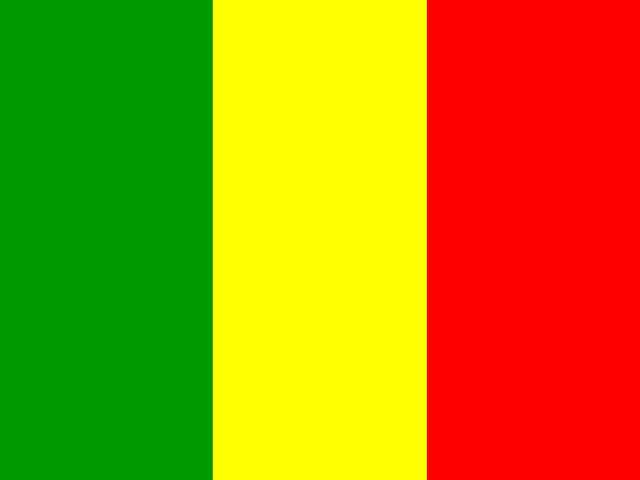
Mali is a landlocked country in West Africa, bordered by Algeria to the north and several other nations including Senegal and Burkina Faso. It is known for its rich medieval history, particularly the ancient city of Timbuktu, which was once a major center of Islamic scholarship and trans-Saharan trade. Much of Mali's north is covered by the Sahara Desert, while the Niger River runs through the south, supporting agriculture and life for millions of people.
- Capital
- Bamako
- Continent
- Africa
- Region
- Western Africa
- Area
- 1,240,192 km²
- Coordinates
- 17° N, 4° W
- Languages
- French
- Currency
- XOF Fr
- Domain
- .ml
- Calling code
- +223
On the world map
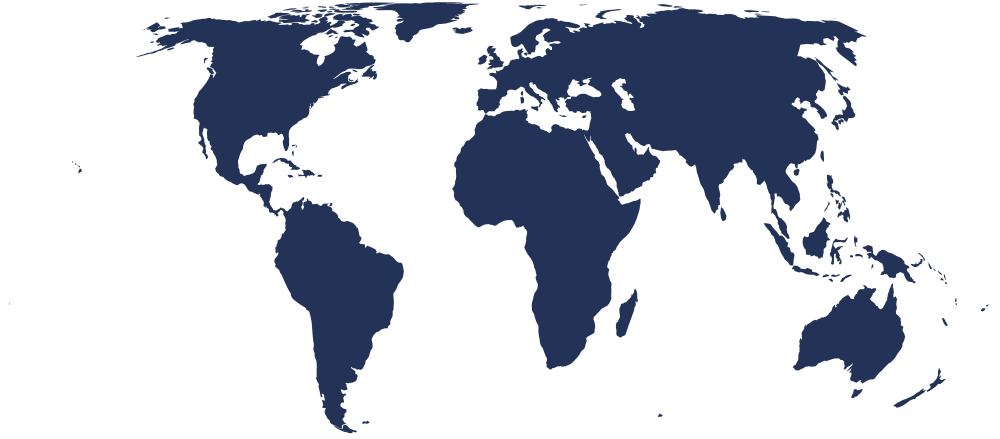
Bordering countries
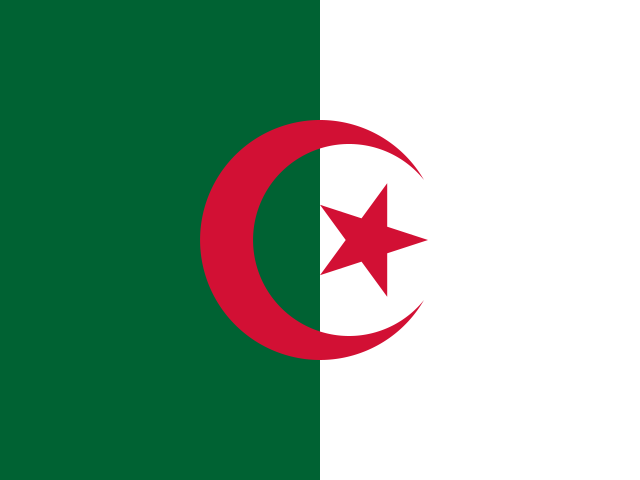 Algeria
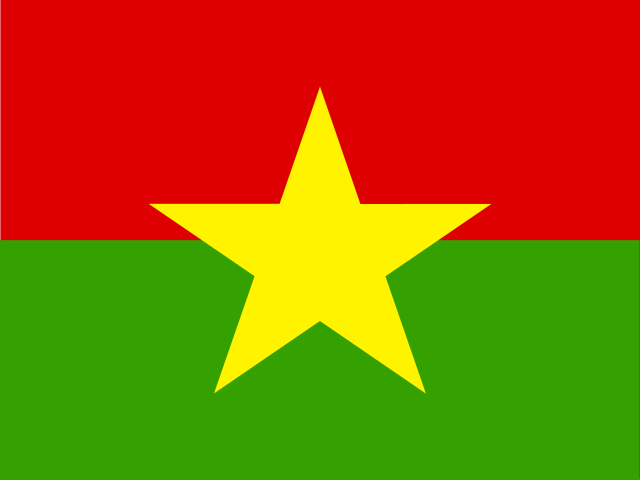 Burkina Faso
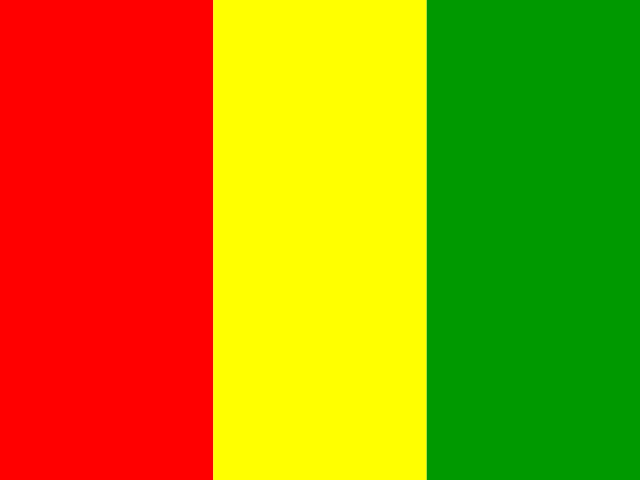 Guinea
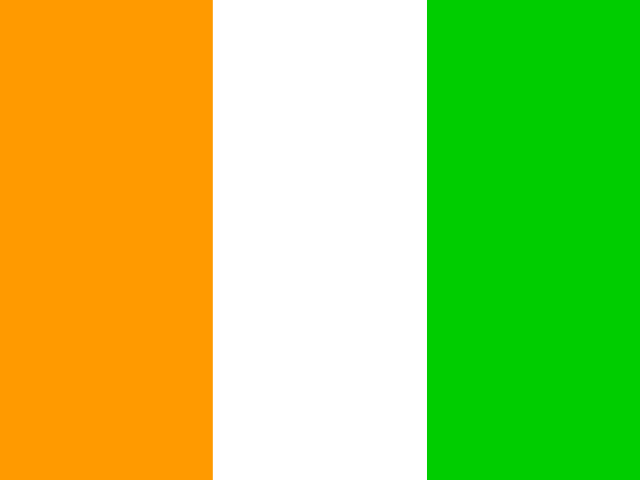 Ivory Coast
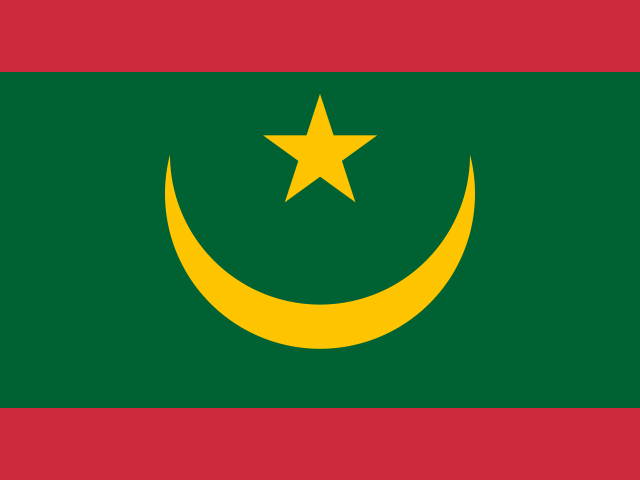 Mauritania
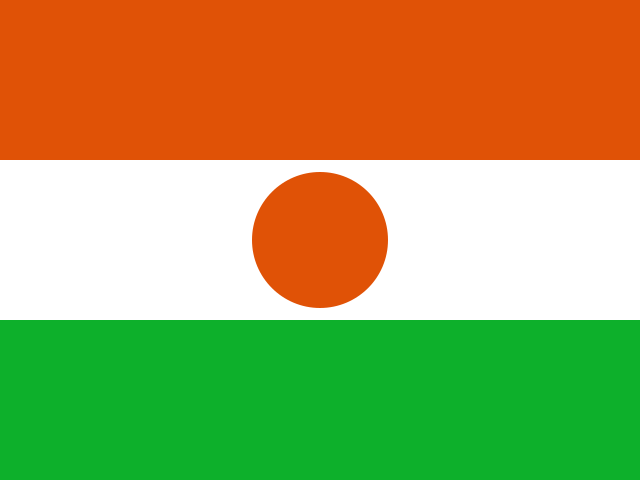 Niger
Niger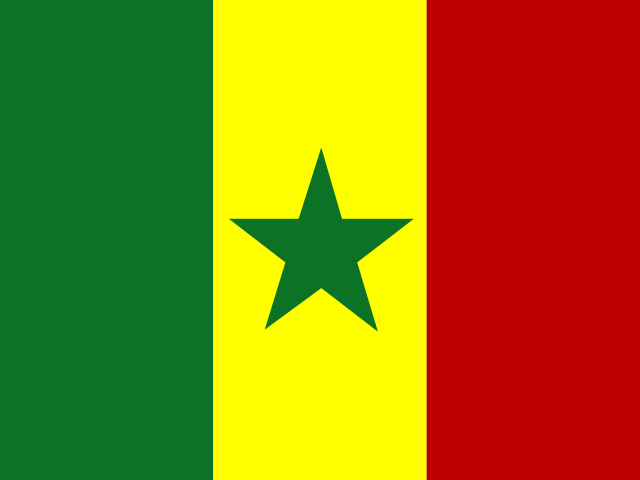 Senegal
Country facts
- The Mali Empire, which flourished in the 13th and 14th centuries, was one of the largest and wealthiest empires in African history.
- Timbuktu is home to ancient manuscripts and three historic mosques that are UNESCO World Heritage Sites.
- French is Mali's official language, though Bambara is the most widely spoken language in everyday life.
- The Niger River, one of Africa's longest rivers, flows through southern Mali and is vital to farming and fishing communities.
- Mali's national symbol, the golden eagle, appears on its flag alongside the Pan-African colors of green, gold, and red.
Capital facts
- Bamako sits on the banks of the Niger River and serves as Mali's political, economic, and cultural center.
- The city grew significantly in the 19th century when French colonial forces established it as an administrative post in 1883.
- The National Museum of Mali in Bamako houses an important collection of traditional art, crafts, and historical artifacts.
- Bamako is known for its vibrant music scene and has produced internationally celebrated musicians in genres like wassoulou and blues-influenced Malian music.
- The Grand Marché, Bamako's central market, is a bustling hub where traders sell everything from textiles and spices to handcrafted goods.