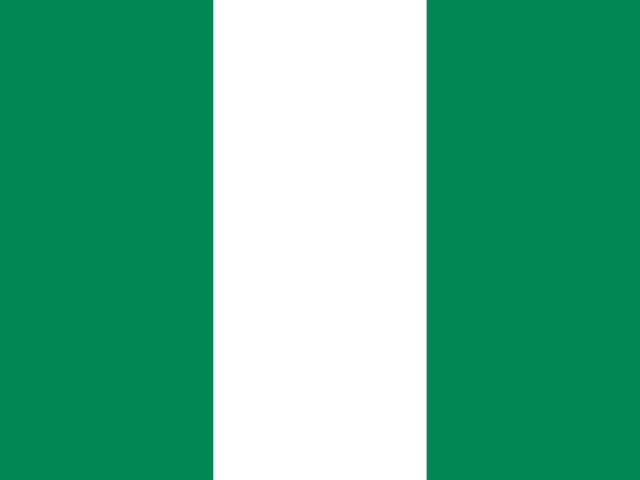
Nigeria is a large country in West Africa, bordered by the Gulf of Guinea to the south and sharing borders with Benin, Niger, Chad, and Cameroon. It is known as the most populous country in Africa and has one of the continent's largest economies, driven largely by oil production. Nigeria is celebrated for its remarkable cultural diversity, with over 250 ethnic groups and a vibrant creative scene spanning music, film, and literature.
- Capital
- Abuja
- Continent
- Africa
- Region
- Western Africa
- Area
- 923,768 km²
- Coordinates
- 10° N, 8° E
- Languages
- English
- Currency
- NGN ₦
- Domain
- .ng
- Calling code
- +234
On the world map
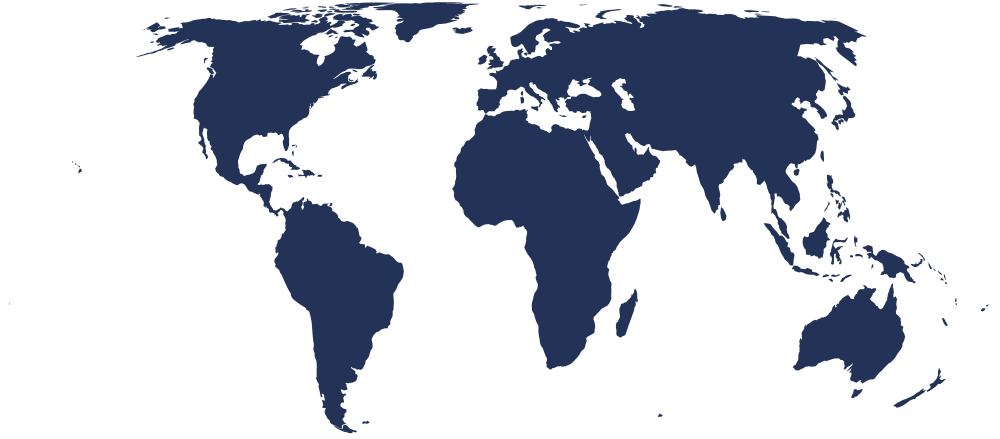
Bordering countries
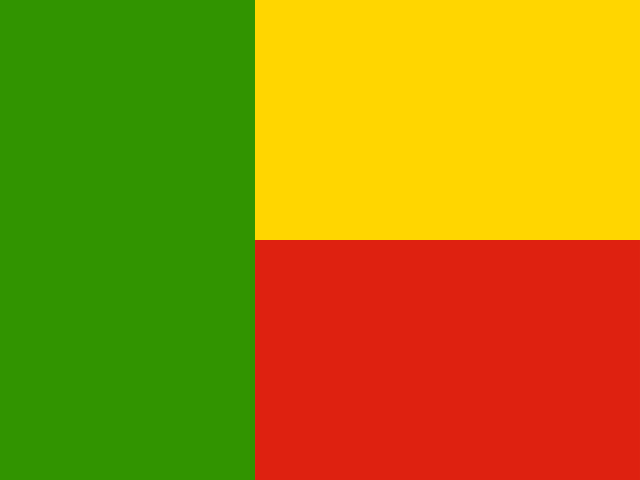 Benin
Benin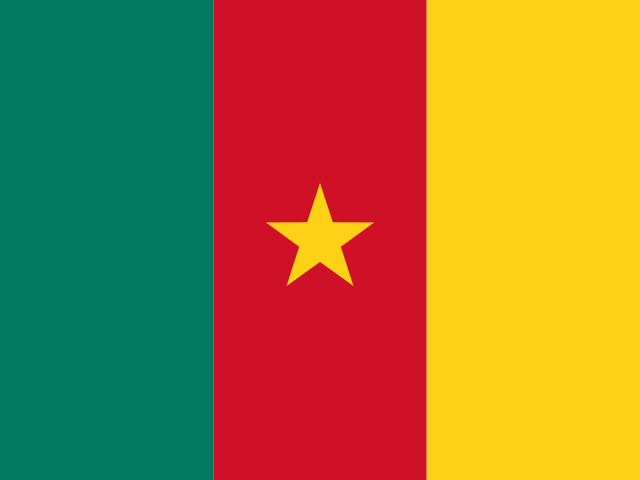 Cameroon
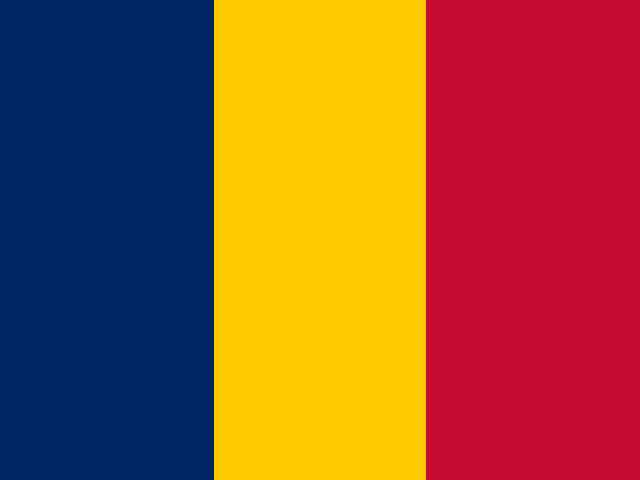 Chad
Chad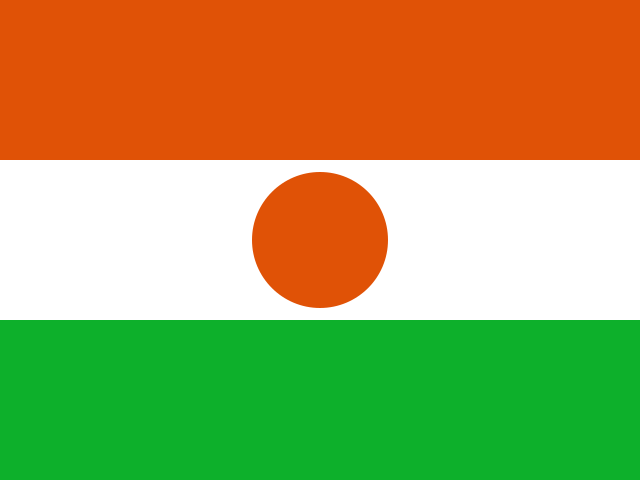 Niger
NigerCountry facts
- Nigeria gained independence from British colonial rule on October 1, 1960.
- The country is home to Nollywood, one of the world's most prolific film industries by volume of output.
- Over 500 languages are spoken across Nigeria, though English serves as the official language.
- The Niger Delta is one of the world's largest river deltas and supports extraordinary biodiversity.
- Nigeria's national animal is the eagle, represented on its coat of arms.
Capital facts
- Abuja became Nigeria's official capital in 1991, replacing Lagos which had served as the colonial and post-independence capital.
- The city was purpose-built and centrally located to serve as a neutral ground among Nigeria's many ethnic regions.
- Aso Rock, a massive 400-metre monolith, rises dramatically behind the Presidential Villa and defines the city's skyline.
- The Nigerian National Mosque and the Nigerian National Christian Centre stand close to each other in Abuja, symbolising the country's religious diversity.
- Abuja is home to the National Arts Theatre of Abuja and numerous museums showcasing Nigerian history and culture.