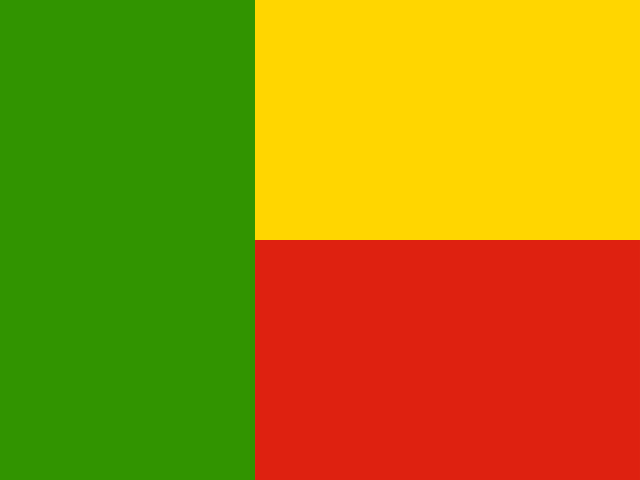
Benin is a small country in West Africa, bordered by Togo, Nigeria, Burkina Faso, and Niger, with a short coastline on the Gulf of Guinea. It is widely regarded as the birthplace of Voodoo, a religion that remains central to the culture and daily life of many Beninese people. The country is also known for the powerful Kingdom of Dahomey, which flourished for several centuries before French colonization.
- Capital
- Porto-Novo
- Continent
- Africa
- Region
- Western Africa
- Area
- 112,622 km²
- Coordinates
- 10° N, 2° E
- Languages
- French
- Currency
- XOF Fr
- Domain
- .bj
- Calling code
- +229
On the world map
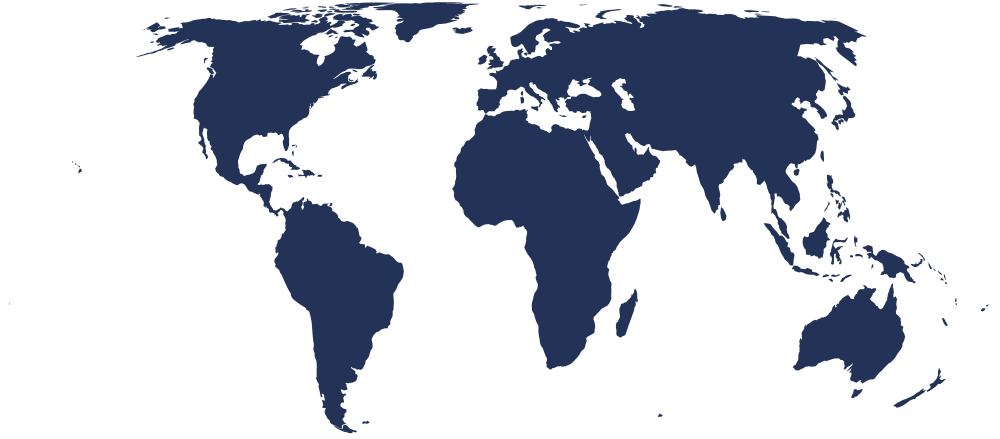
Bordering countries
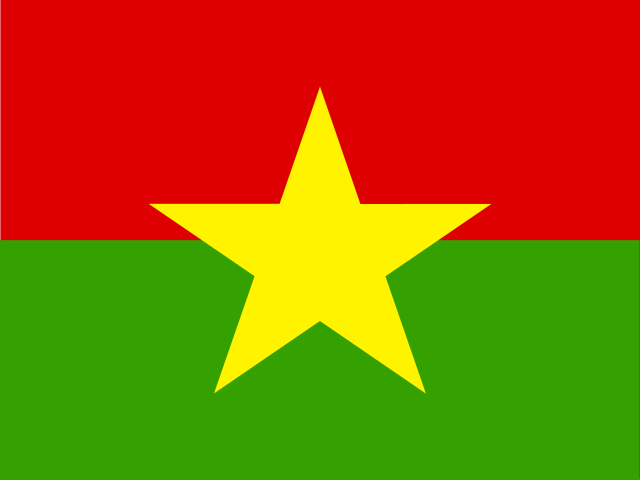 Burkina Faso
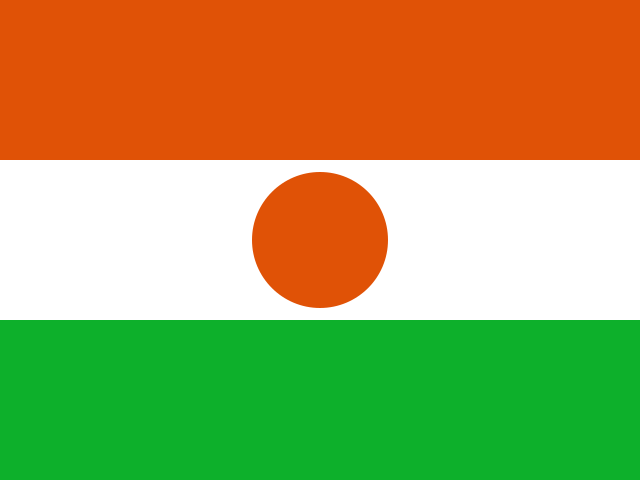 Niger
Niger Nigeria
 Togo
TogoCountry facts
- Benin gained independence from France on August 1, 1960.
- The country is home to Pendjari National Park, a biodiversity hotspot sheltering elephants, lions, and hippos.
- French is the official language, though dozens of local languages including Fon and Yoruba are widely spoken.
- The annual Voodoo Festival, held in Ouidah every January, draws thousands of visitors from across the world.
- Benin's flag features green, yellow, and red stripes, symbolizing hope, wealth, and the courage of its ancestors.
Capital facts
- Porto-Novo served as the capital during French colonial rule and retained that status after independence.
- The city's name is Portuguese, reflecting early trade contact with Portuguese merchants in the region.
- Porto-Novo is home to the Ethnographic Museum, which preserves artifacts and traditions of the Kingdom of Hogbonou.
- The Grand Mosque of Porto-Novo is a striking building that blends Brazilian architectural style with local design.
- Porto-Novo sits on a lagoon system that connects it to the coast, historically making it an important trading hub.