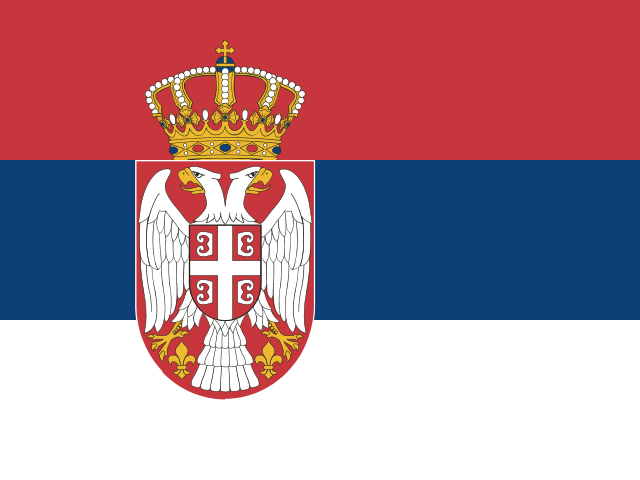
Serbia is a landlocked country in the heart of the Balkans in southeastern Europe, bordered by Hungary, Romania, Bulgaria, North Macedonia, Croatia, Bosnia and Herzegovina, and Montenegro. It is known for its vibrant culture, medieval monasteries, and lively café and nightlife scene. The Danube and Sava rivers meet at its capital, making Serbia an important crossroads of European history and trade.
- Capital
- Belgrade
- Continent
- Europe
- Region
- Southeast Europe
- Area
- 88,361 km²
- Coordinates
- 44° N, 21° E
- Languages
- Serbian
- Currency
- RSD дин.
- Domain
- .rs .срб
- Calling code
- +381
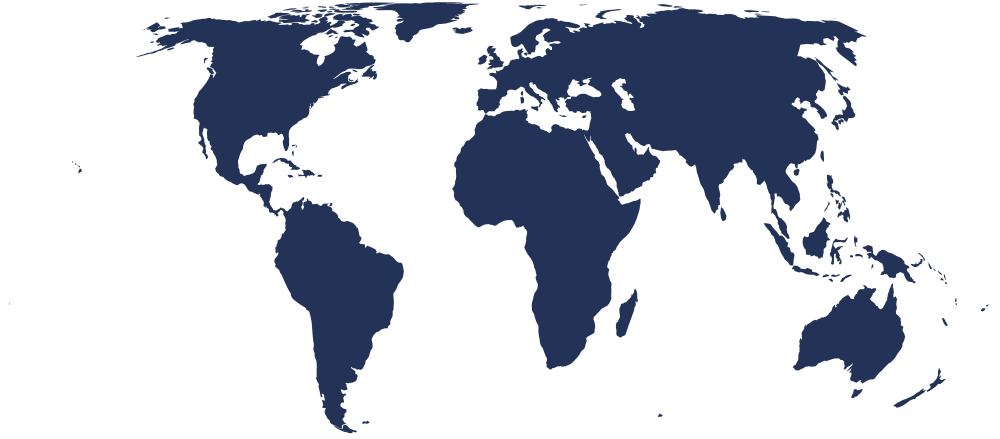
On the world map
Bordering countries
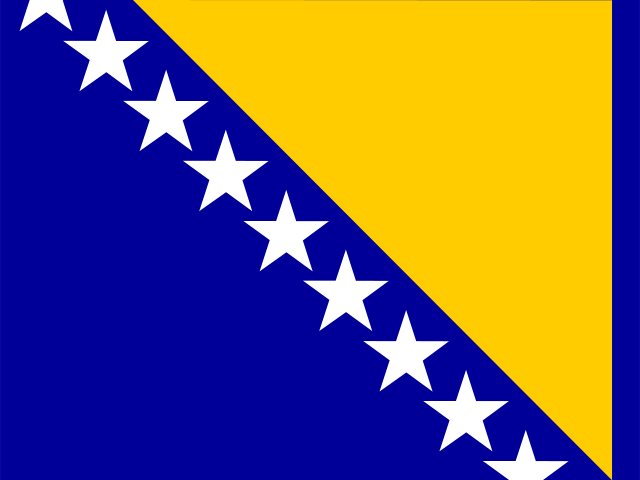 Bosnia and Herzegovina
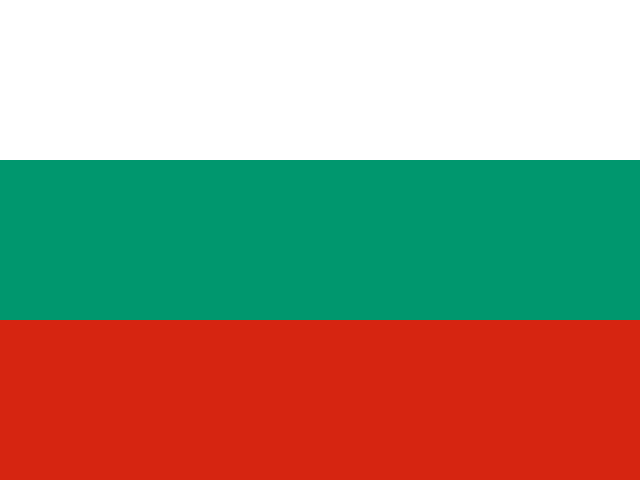 Bulgaria
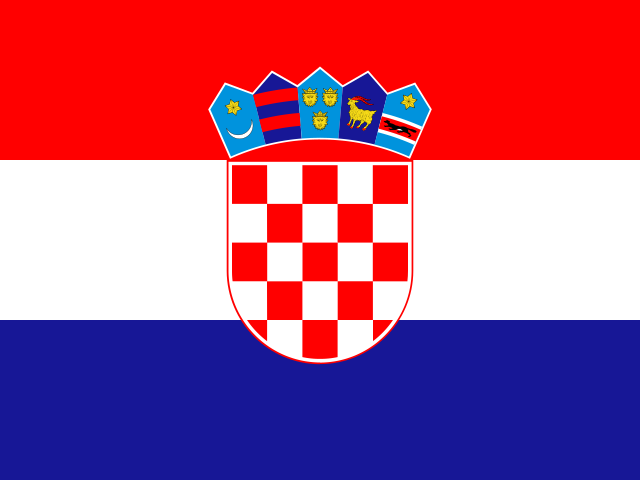 Croatia
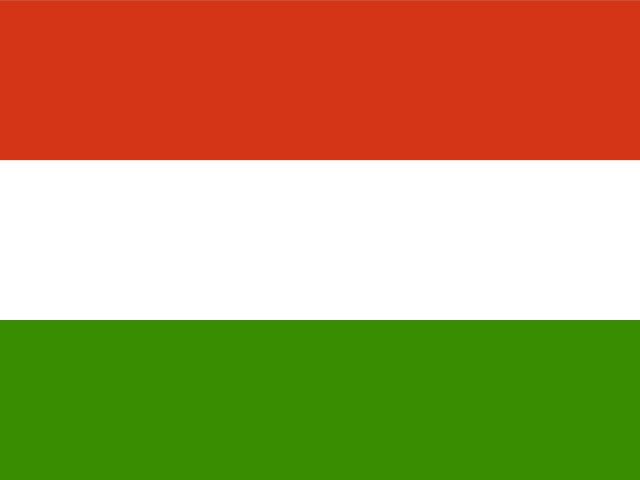 Hungary
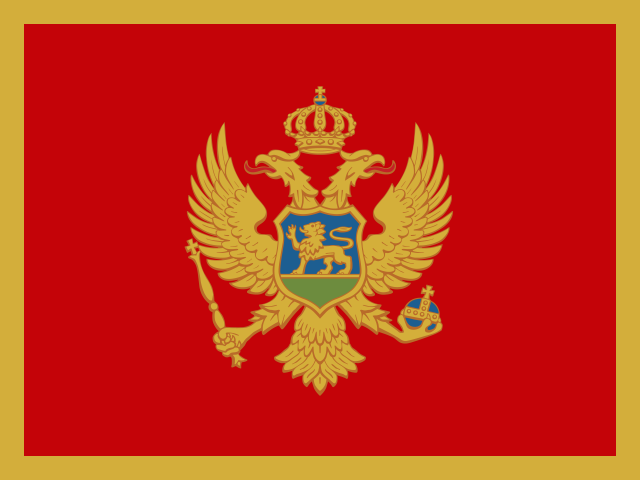 Montenegro
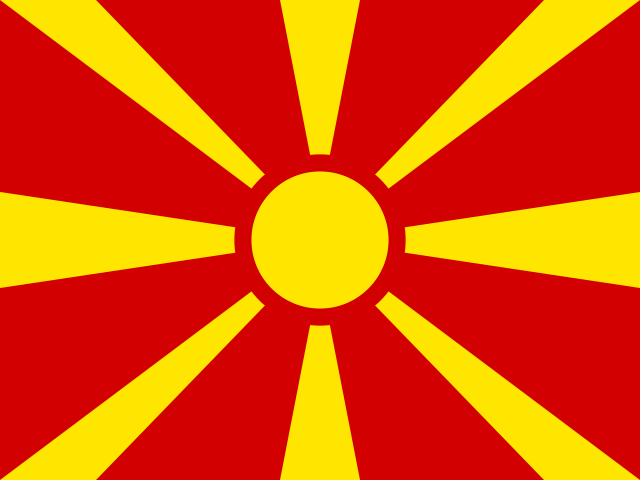 North Macedonia
 Romania
Country facts
- Serbia was the birthplace of the famous inventor and electrical engineer Nikola Tesla.
- The Serbian Orthodox Church, founded in the 13th century, plays a central role in the country's cultural identity.
- Serbia is one of the world's leading exporters of raspberries.
- The Cyrillic alphabet is the official script of Serbia, though Latin script is also widely used.
- Đavolja Varoš, meaning Devil's Town, is a dramatic natural landmark featuring over 200 unusual rock formations.
Capital facts
- Belgrade is one of the oldest continuously inhabited cities in Europe, with settlements dating back over 7,000 years.
- The Kalemegdan Fortress, perched above the confluence of the Sava and Danube rivers, has been fought over by many empires throughout history.
- Belgrade's name means 'White City' in Serbian.
- The city served as the capital of the former Socialist Federal Republic of Yugoslavia.
- Skadarlija, Belgrade's cobblestoned bohemian quarter, became famous in the 19th century as a gathering place for poets and artists.