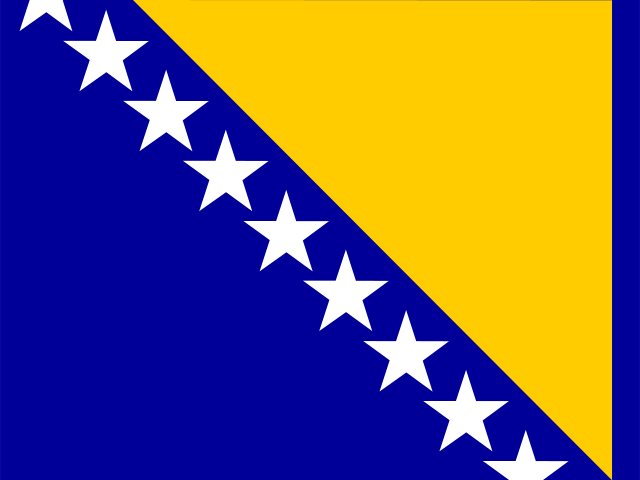
Bosnia and Herzegovina is a country in southeastern Europe, located on the western Balkans peninsula and bordered by Croatia, Serbia, and Montenegro. It is known for its dramatic mountain landscapes, medieval history, and the rich blend of Ottoman, Austro-Hungarian, and Slavic cultural influences. The country's name reflects its two main historical regions, Bosnia in the north and Herzegovina in the south.
- Capital
- Sarajevo
- Continent
- Europe
- Region
- Southeast Europe
- Area
- 51,209 km²
- Coordinates
- 44° N, 18° E
- Languages
- Bosnian, Croatian, Serbian
- Currency
- BAM KM
- Domain
- .ba
- Calling code
- +387
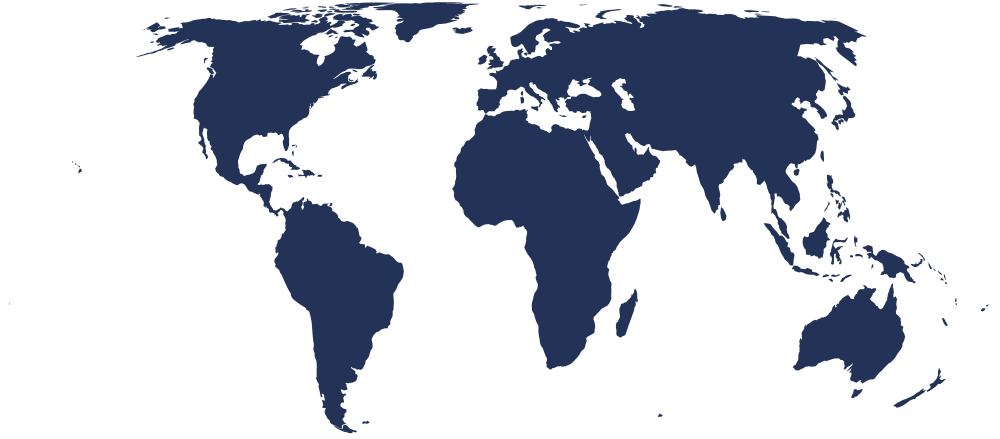
On the world map
Bordering countries
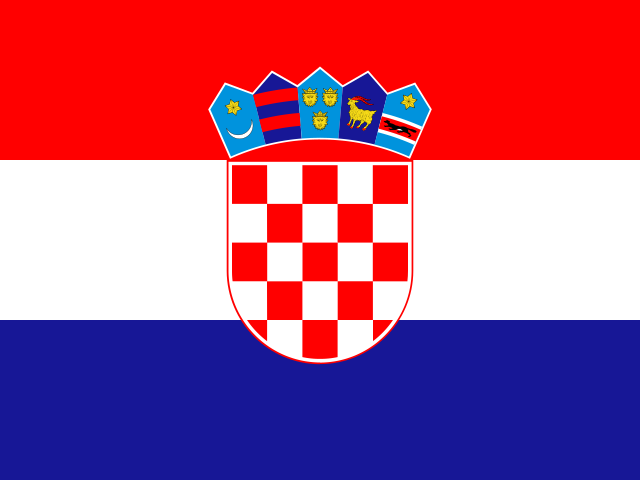 Croatia
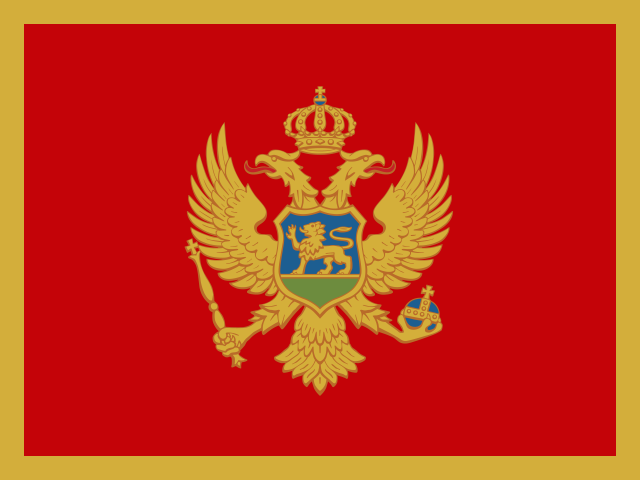 Montenegro
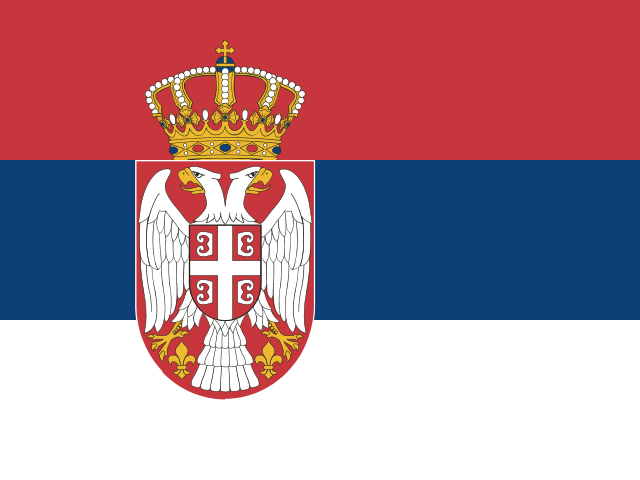 Serbia
Country facts
- Bosnia and Herzegovina declared independence from Yugoslavia in 1992.
- The country is home to the Dinaric Alps, which include some of the most rugged terrain in Europe.
- Three official languages are spoken: Bosnian, Croatian, and Serbian.
- The medieval stećci tombstones, found across the country, are recognized as a UNESCO World Heritage Site.
- Coffee culture is deeply embedded in Bosnian tradition, with Bosnian coffee served in a unique style using a small copper pot called a džezva.
Capital facts
- Sarajevo served as the host city for the 1984 Winter Olympic Games.
- The assassination of Archduke Franz Ferdinand in Sarajevo in 1914 is widely regarded as a trigger for the First World War.
- The old bazaar district, Baščaršija, dates to the Ottoman period in the 15th century and remains a vibrant city landmark.
- Sarajevo is sometimes called the 'Jerusalem of Europe' because churches, mosques, and synagogues stand within the same neighborhood.
- The city is surrounded by the Dinaric Alps, making it one of the few European capitals with ski slopes very close to the city center.