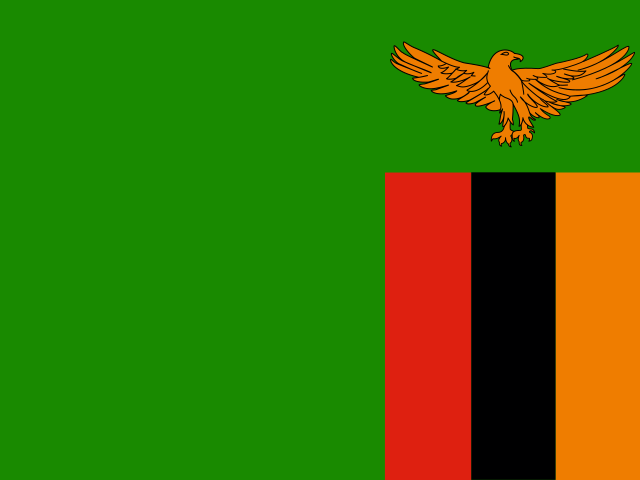
Zambia is a landlocked country in southern Africa, bordered by eight other nations including Zimbabwe, Tanzania, and the Democratic Republic of the Congo. It is renowned for Victoria Falls, one of the world's most spectacular waterfalls, which it shares with Zimbabwe. The country is also famous for its vast wildlife parks and the mighty Zambezi River, from which it takes its name.
- Capital
- Lusaka
- Continent
- Africa
- Region
- Eastern Africa
- Area
- 752,612 km²
- Coordinates
- 15° S, 30° E
- Languages
- English
- Currency
- ZMW ZK
- Domain
- .zm
- Calling code
- +260
On the world map
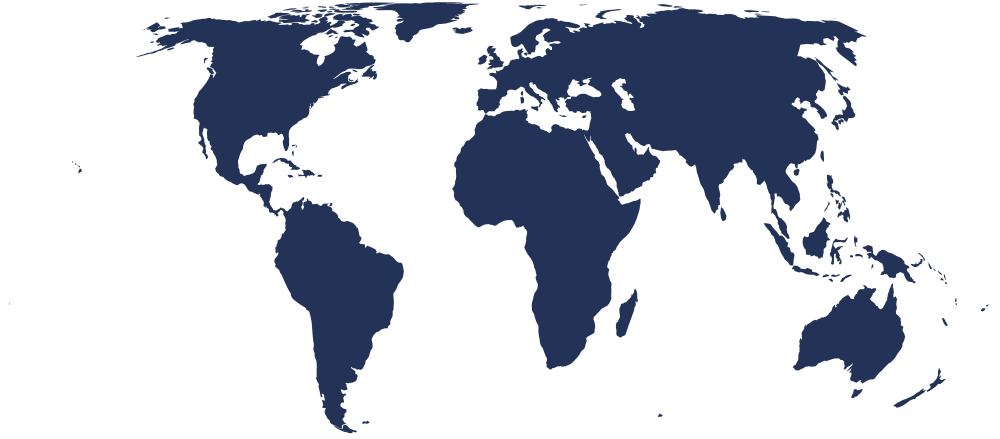
Bordering countries
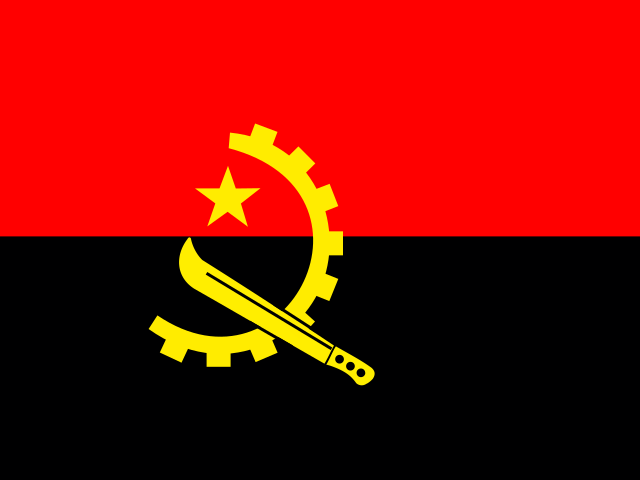 Angola
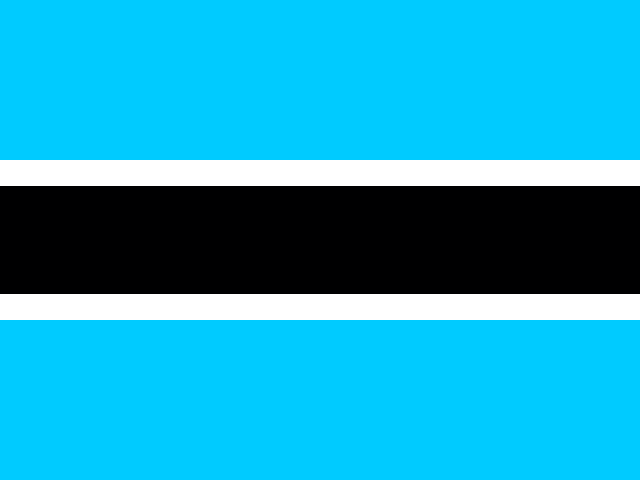 Botswana
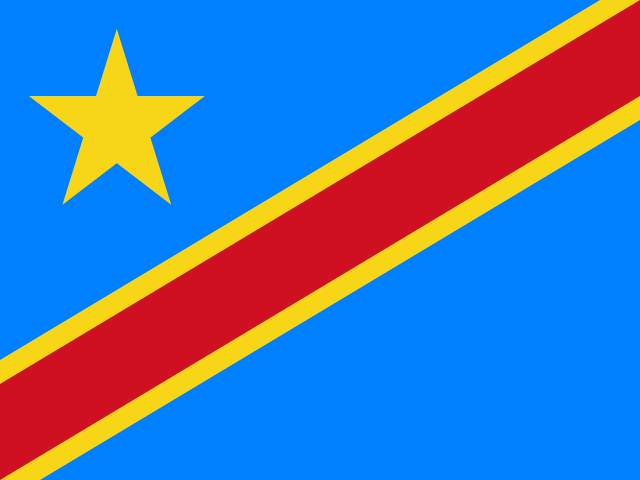 DR Congo
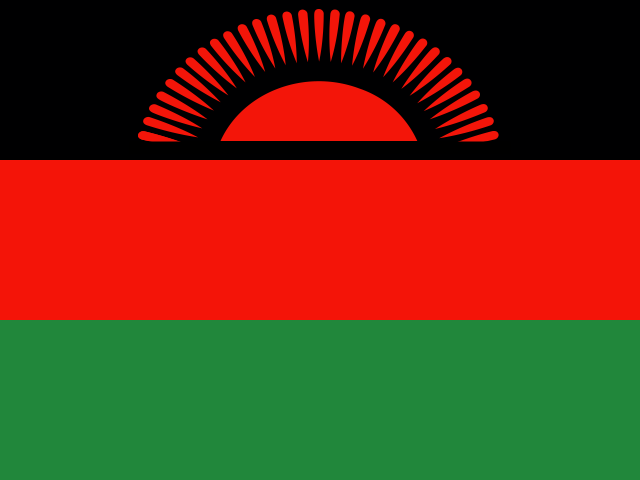 Malawi
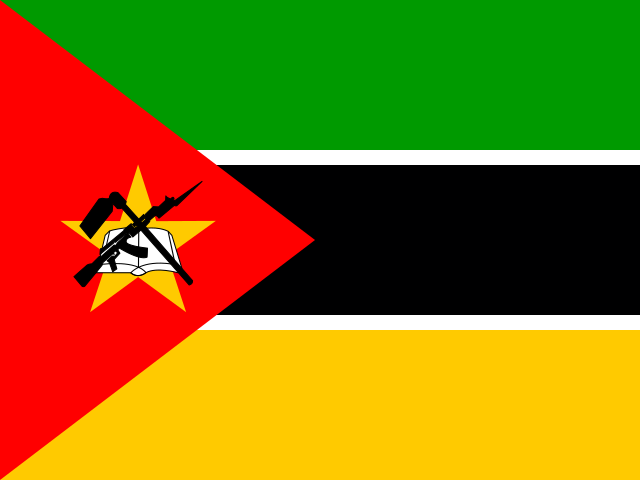 Mozambique
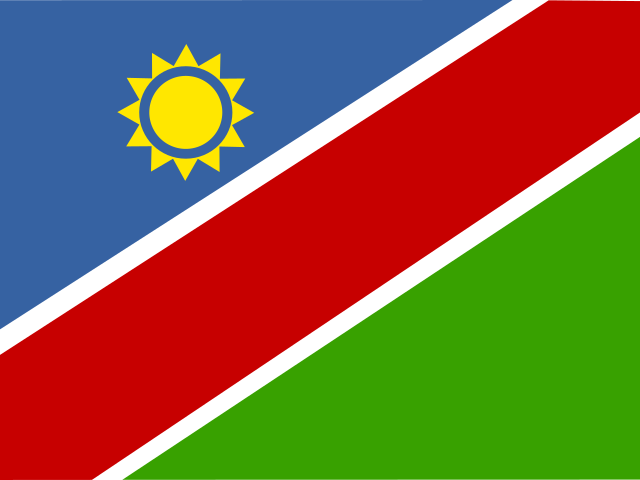 Namibia
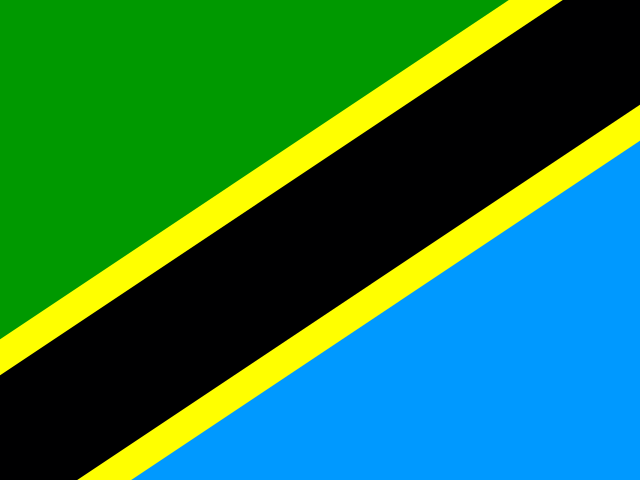 Tanzania
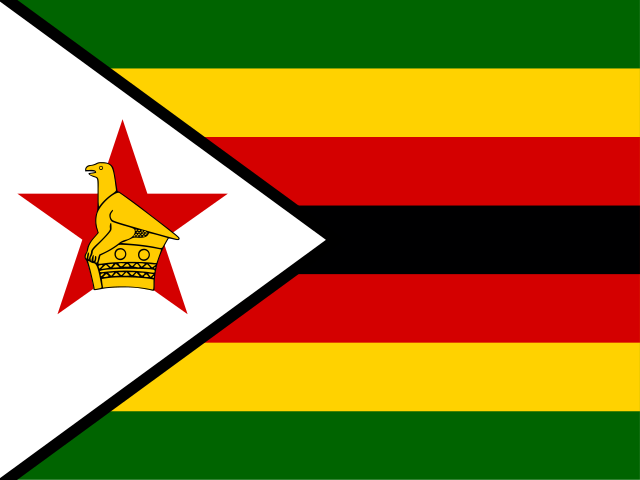 Zimbabwe
Country facts
- Zambia gained independence from British rule on 24 October 1964, with Kenneth Kaunda becoming its first president.
- The country is one of Africa's largest producers of copper, and the copper-mining region known as the Copperbelt has shaped its economy for decades.
- Zambia is home to over 70 ethnic groups, and more than 70 languages are spoken across the country.
- The national football team is nicknamed 'Chipolopolo,' meaning 'Copper Bullets' in Bemba, one of the major local languages.
- Kafue National Park is one of the largest national parks in Africa, covering an area roughly the size of Wales.
Capital facts
- Lusaka became Zambia's capital at independence in 1964, replacing the colonial administrative center of Livingstone.
- The city sits on a high plateau at an elevation of about 1,300 meters above sea level, giving it a mild climate despite being in the tropics.
- Lusaka's central market, Soweto Market, is one of the largest open-air markets in southern Africa and a bustling hub of daily commerce.
- The National Museum of Zambia, located in Lusaka, houses collections covering the country's natural history, archaeology, and cultural heritage.
- Lusaka serves as the main transport hub of Zambia, with Kenneth Kaunda International Airport connecting the country to destinations across Africa and beyond.