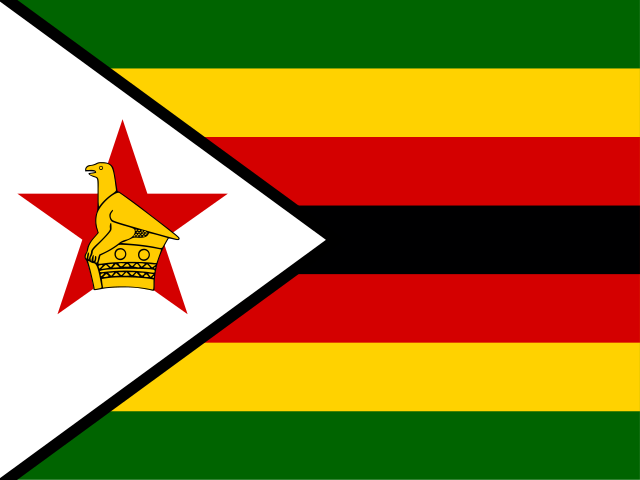
Zimbabwe is a landlocked country in southern Africa, bordered by Zambia, Mozambique, South Africa, and Botswana. It is renowned for Victoria Falls, one of the world's most spectacular waterfalls, shared with Zambia on the Zambezi River. The country is also famous for the ancient stone city of Great Zimbabwe, whose ruins give the nation its name.
- Capital
- Harare
- Continent
- Africa
- Region
- Eastern Africa
- Area
- 390,757 km²
- Coordinates
- 20° S, 30° E
- Languages
- Chibarwe, English, Kalanga, Khoisan, Ndau, Northern Ndebele, Chewa, Shona, Sotho, Tonga, Tswana, Tsonga, Venda, Xhosa, Zimbabwean Sign Language
- Currency
- BWP P, CNY ¥, EUR €, GBP £, INR ₹, JPY ¥, USD $, ZAR Rs, ZWB $
- Domain
- .zw
- Calling code
- +263
On the world map
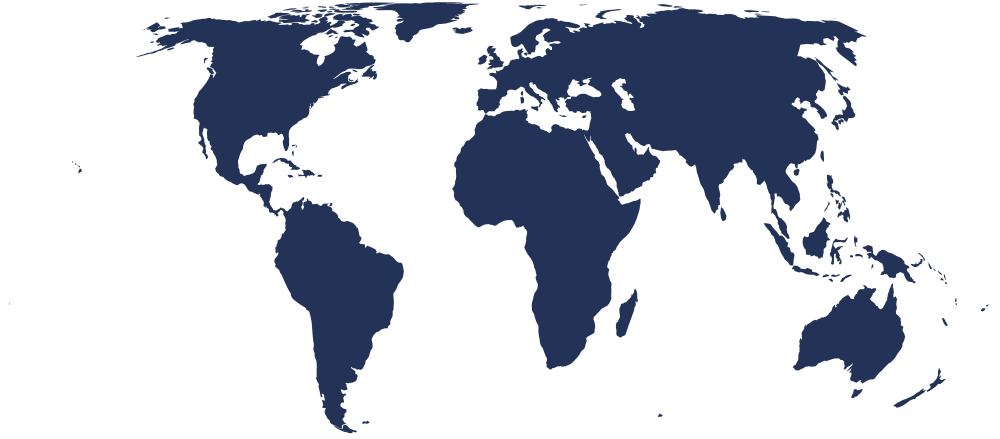
Bordering countries
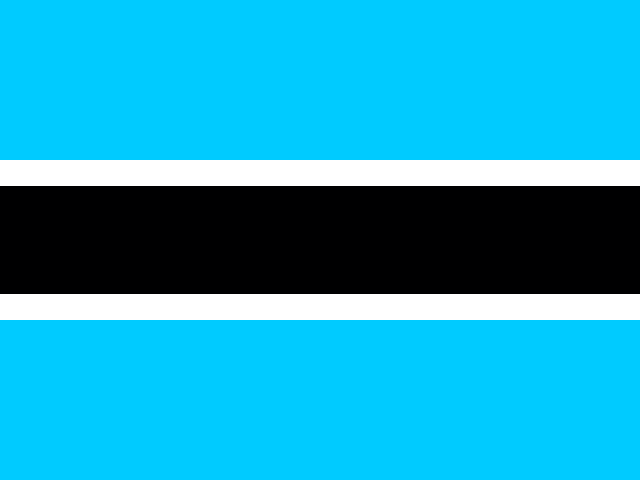 Botswana
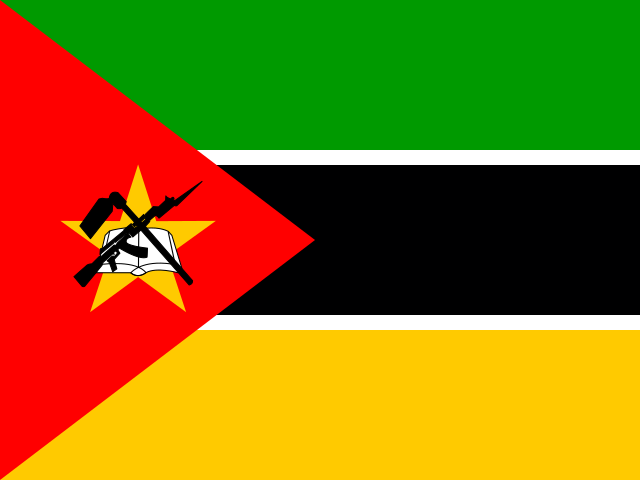 Mozambique
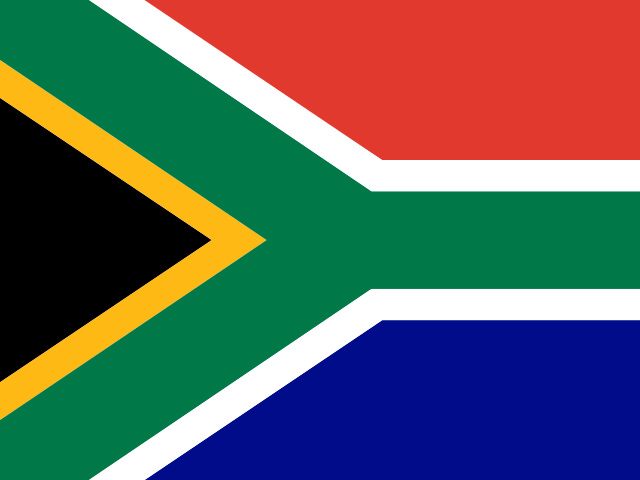 South Africa
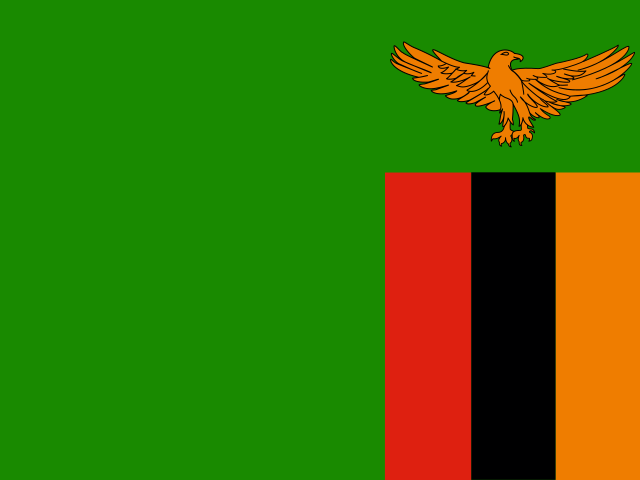 Zambia
Country facts
- Zimbabwe gained independence from British colonial rule on 18 April 1980, with Robert Mugabe becoming its first prime minister.
- The country is home to sixteen official languages, including Shona, Ndebele, and English.
- Zimbabwe's flag features a distinctive Zimbabwe Bird, a soapstone carving found at the Great Zimbabwe ruins, which has become a national symbol.
- Hwange National Park is Zimbabwe's largest game reserve and supports one of Africa's largest elephant populations.
- The Zimbabwe dollar experienced one of the most severe episodes of hyperinflation in recorded history in the late 2000s.
Capital facts
- Harare was founded in 1890 as a fort by the British South Africa Company and was originally named Fort Salisbury.
- The city was renamed Harare in 1982, two years after independence, taking its name from a nearby village.
- Harare is home to the National Gallery of Zimbabwe, which showcases a significant collection of Zimbabwean stone sculpture and contemporary art.
- The city sits on a high plateau at an elevation of around 1,490 metres, giving it a mild and pleasant climate year-round.
- Harare's Mbare district hosts one of southern Africa's largest and busiest open-air markets, known as Mbare Musika.