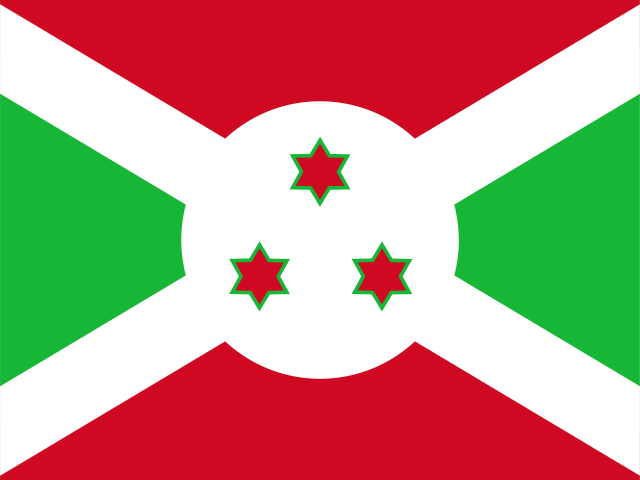
Burundi is a small landlocked country in the Great Lakes region of East-Central Africa, bordered by Rwanda, Tanzania, and the Democratic Republic of the Congo. It is known for its stunning highland scenery and its position along the shores of Lake Tanganyika, one of the world's deepest lakes. The country has a rich drumming tradition that is recognized by UNESCO as part of humanity's intangible cultural heritage.
- Capital
- Gitega
- Continent
- Africa
- Region
- Eastern Africa
- Area
- 27,834 km²
- Coordinates
- 4° S, 30° E
- Languages
- French, Kirundi
- Currency
- BIF Fr
- Domain
- .bi
- Calling code
- +257
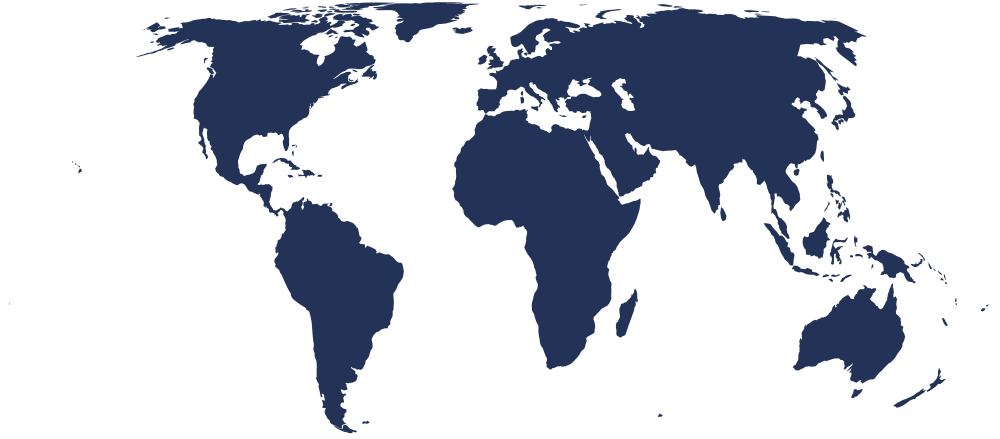
On the world map
Bordering countries
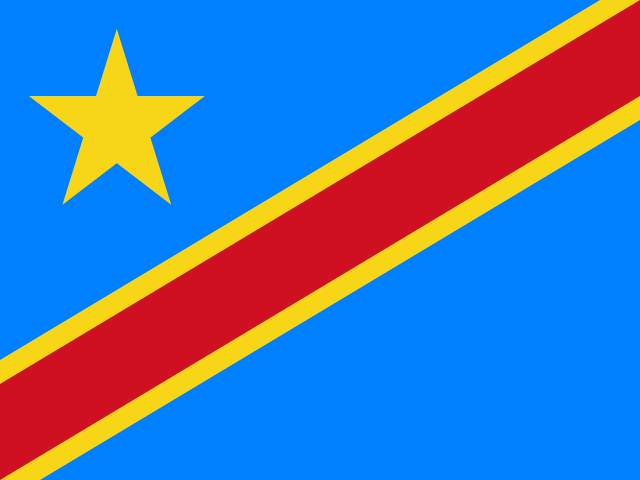 DR Congo
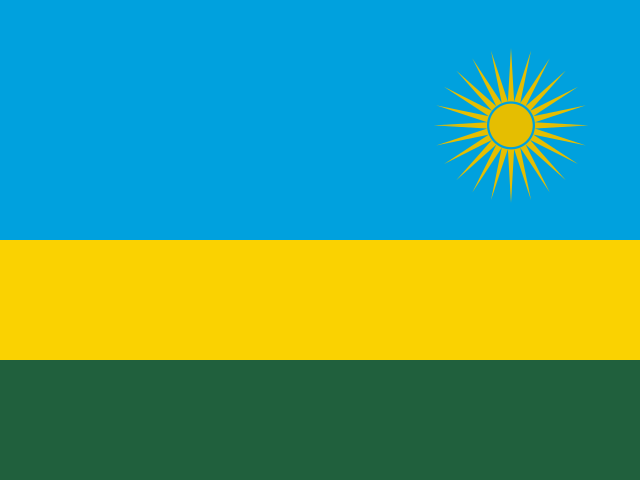 Rwanda
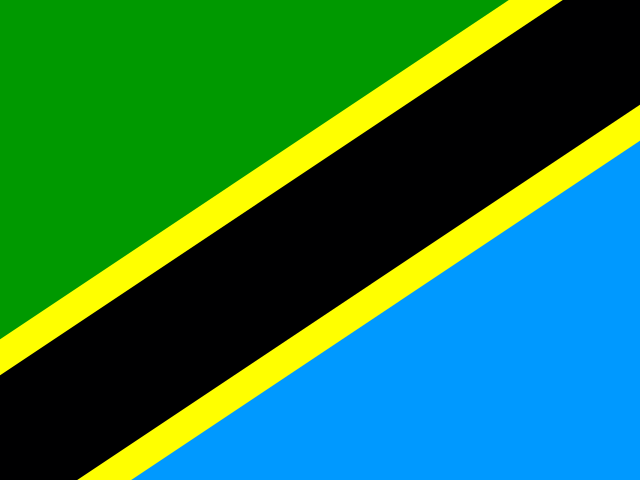 Tanzania
Country facts
- Burundi gained independence from Belgian administration on July 1, 1962.
- Kirundi, French, and English are all official languages of Burundi.
- Lake Tanganyika, which borders Burundi to the west, is the second deepest lake in the world.
- The African buffalo appears on Burundi's coat of arms as a national symbol.
- Burundi is one of the few countries in the world where traditional royal drumming, known as Karyenda, holds deep cultural and historical significance.
Capital facts
- Gitega became Burundi's official capital in 2019, replacing Bujumbura which had served as capital since independence.
- The city is located in the geographic center of Burundi, making it a fitting administrative hub for the country.
- Gitega is home to the National Museum of Burundi, which houses important historical and cultural artifacts.
- The city served as the royal residence of Burundian kings during the pre-colonial era.
- Gitega sits on a highland plateau at an elevation of roughly 1,800 meters above sea level, giving it a cooler climate than the lakeside capital it replaced.