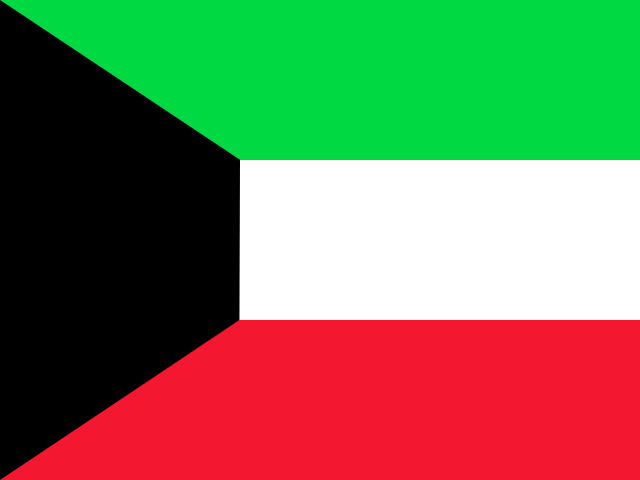
Kuwait is a small country located at the northwestern tip of the Persian Gulf, bordered by Iraq and Saudi Arabia. It is known for its vast oil reserves, which transformed it into one of the world's wealthiest nations during the twentieth century. The country blends a rich Bedouin heritage with a modern skyline and a cosmopolitan, multicultural society.
- Capital
- Kuwait City
- Continent
- Asia
- Region
- Western Asia
- Area
- 17,818 km²
- Coordinates
- 30° N, 46° E
- Languages
- Arabic
- Currency
- KWD د.ك
- Domain
- .kw
- Calling code
- +965
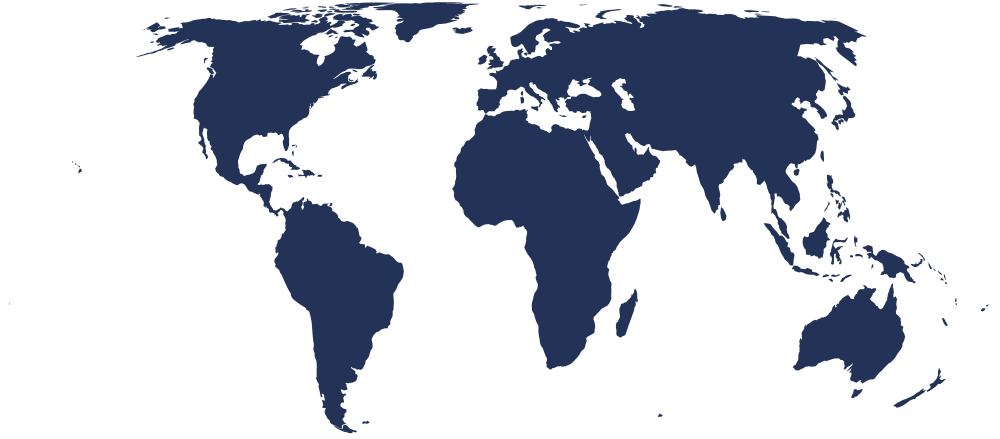
On the world map
Bordering countries
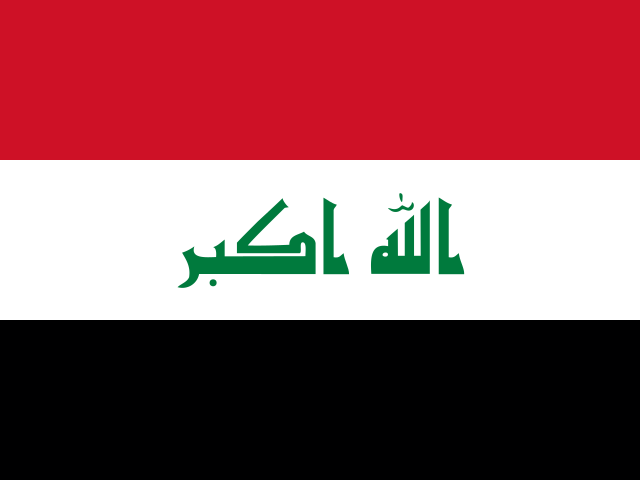 Iraq
Iraq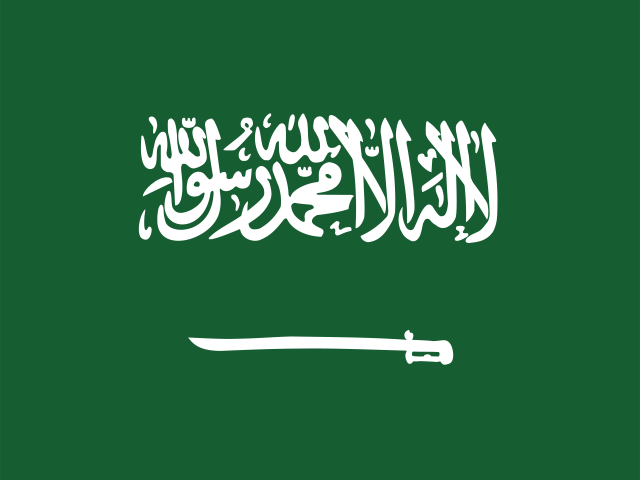 Saudi Arabia
Country facts
- Kuwait has been inhabited since ancient times and served as a trading hub along historic routes connecting Arabia, Persia, and India.
- The country gained independence from Britain on June 19, 1961, a date still celebrated as National Day.
- Arabic is the official language, and Islam is the state religion, with most Kuwaitis following Sunni Islam.
- Kuwait's national animal is the falcon, a bird long prized in the traditional Arab sport of falconry.
- In 1990, Kuwait was invaded by Iraq, but a US-led coalition liberated the country in early 1991 in what became known as the Gulf War.
Capital facts
- Kuwait City sits on a natural bay along the Persian Gulf coast, which made it a natural center for pearl diving and seafaring trade for centuries.
- The Kuwait Towers, three distinctive water towers completed in 1979, have become the most recognizable landmark of the city.
- The Grand Mosque of Kuwait City is the largest mosque in the country and can accommodate thousands of worshippers at once.
- The Seif Palace, built in the early twentieth century, serves as the official office of the Emir and stands as one of the city's oldest government buildings.
- Kuwait City is home to the Souq Mubarakiya, a historic market where locals and visitors shop for spices, seafood, and traditional crafts.