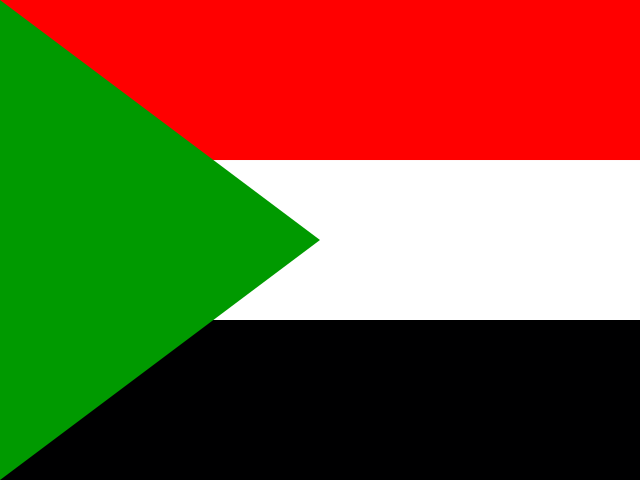
Sudan is a large country in northeastern Africa, bordered by Egypt to the north and South Sudan to the south. It is known for its ancient Nubian civilizations and the hundreds of pyramids that dot its northern deserts. The Nile River runs through the heart of the country, shaping its landscape, agriculture, and history.
- Capital
- Khartoum
- Continent
- Africa
- Region
- Northern Africa
- Area
- 1,886,068 km²
- Coordinates
- 15° N, 30° E
- Languages
- Arabic, English
- Currency
- SDG PT
- Domain
- .sd
- Calling code
- +249
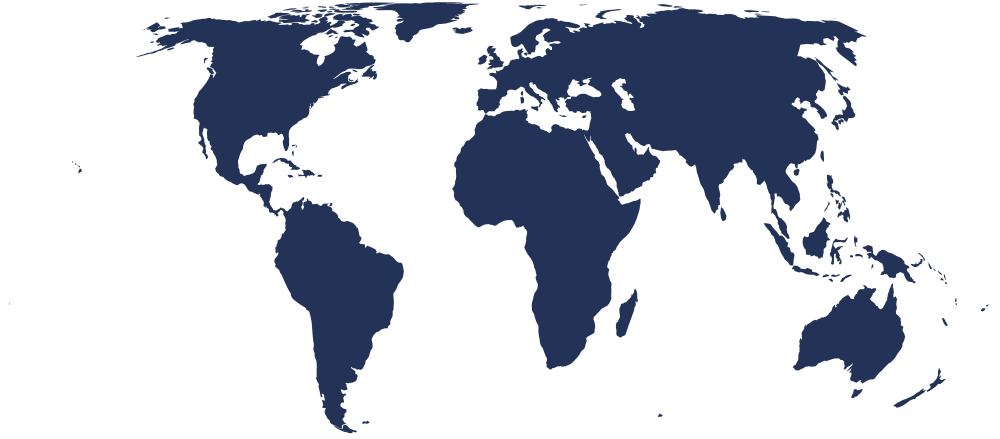
On the world map
Bordering countries
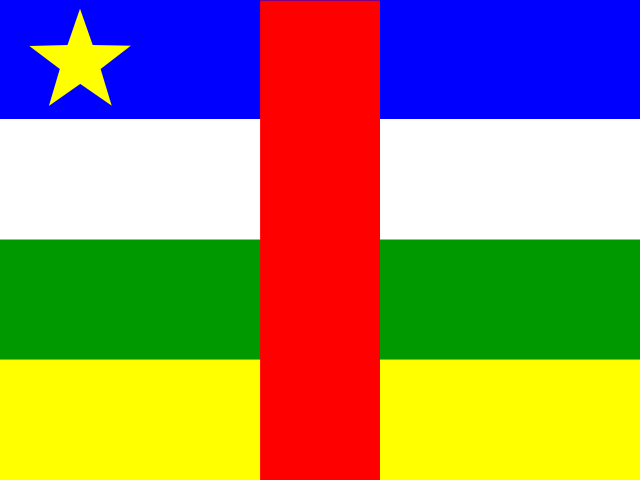 Central African Republic
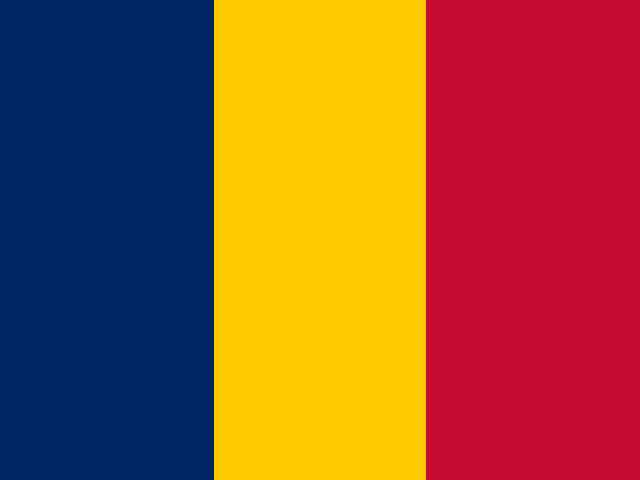 Chad
Chad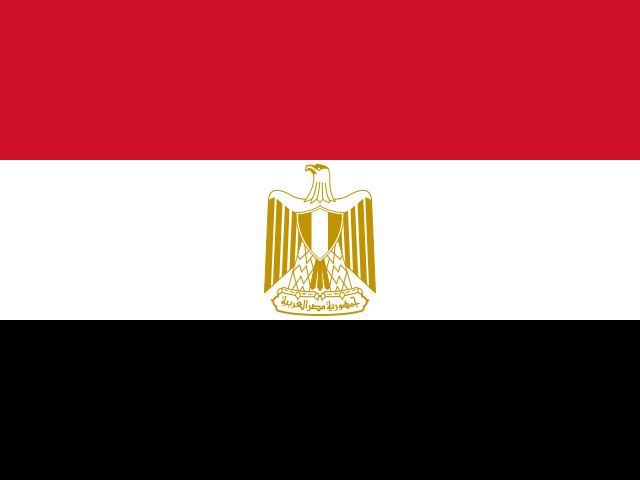 Egypt
Egypt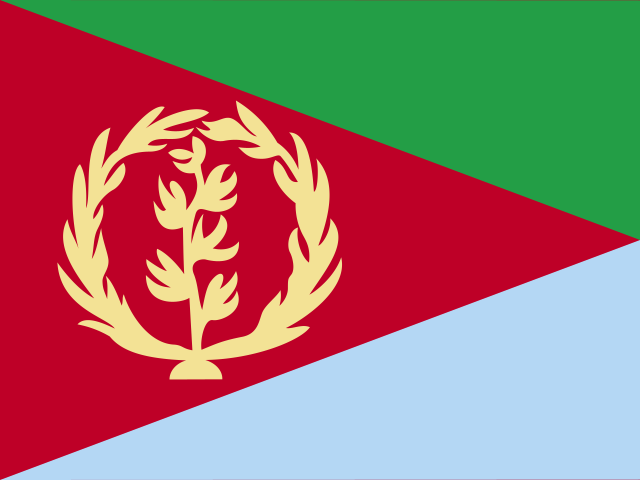 Eritrea
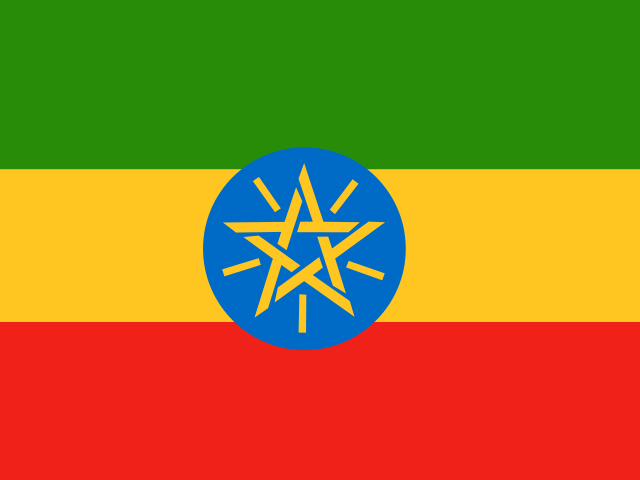 Ethiopia
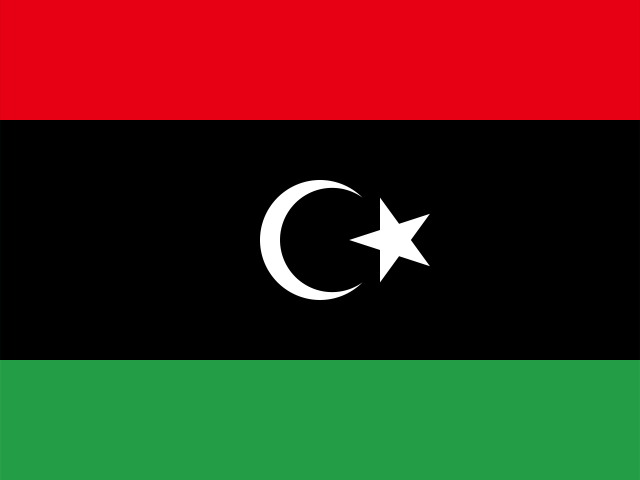 Libya
Libya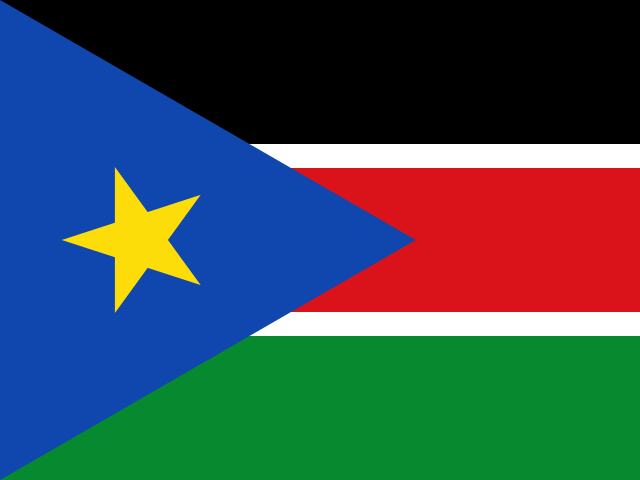 South Sudan
Country facts
- Sudan has more ancient pyramids than Egypt, with over 200 Nubian pyramids built by the Kushite kingdoms.
- Arabic and English are the official languages of Sudan.
- The Dinder National Park in eastern Sudan is home to lions, leopards, and large herds of antelope.
- Sudan was once part of the ancient Kingdom of Kush, a powerful civilization that even ruled Egypt for a time.
- The Sudanese dish ful medames, made from fava beans, is a beloved staple eaten across the country.
Capital facts
- Khartoum is located at the confluence of the Blue Nile and White Nile rivers, a meeting point known as the Mogran.
- The city's name is believed to derive from an Arabic word meaning 'elephant's trunk,' describing the shape of the land between the two rivers.
- The National Museum of Sudan in Khartoum houses important artifacts from ancient Nubian and Kushite civilizations.
- Khartoum was founded in 1821 as an Egyptian army camp during the reign of Muhammad Ali Pasha.
- The city is divided into three linked urban areas: Khartoum, Khartoum North, and Omdurman, together forming the greater capital region.