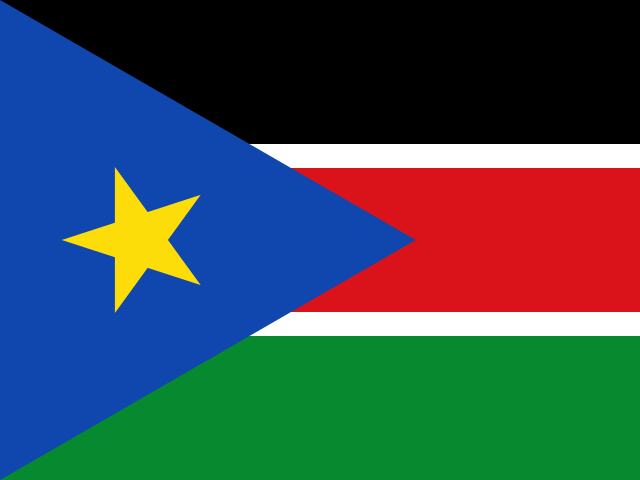
South Sudan is a landlocked country in East-Central Africa, bordered by Sudan to the north, Ethiopia to the east, Kenya and Uganda to the south, and the Democratic Republic of the Congo and Central African Republic to the west. It is the world's newest internationally recognized country, having gained independence from Sudan in 2011. The country is home to the vast Sudd wetland, one of the largest freshwater ecosystems in the world.
- Capital
- Juba
- Continent
- Africa
- Region
- Middle Africa
- Area
- 619,745 km²
- Coordinates
- 7° N, 30° E
- Languages
- English
- Currency
- SSP £
- Domain
- .ss
- Calling code
- +211
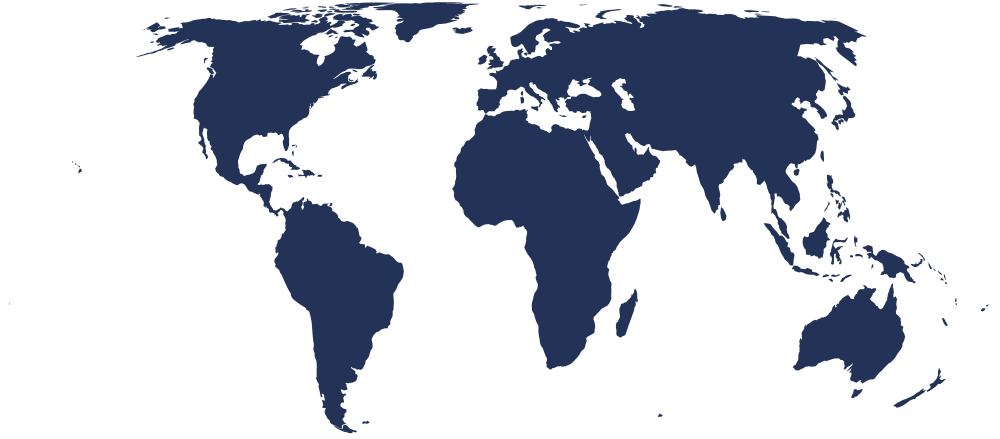
On the world map
Bordering countries
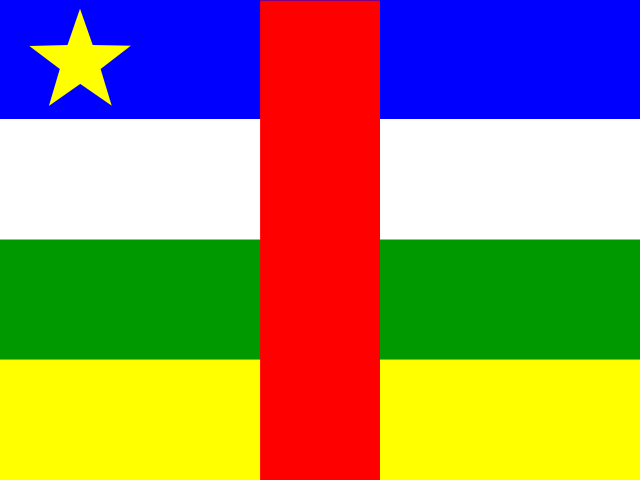 Central African Republic
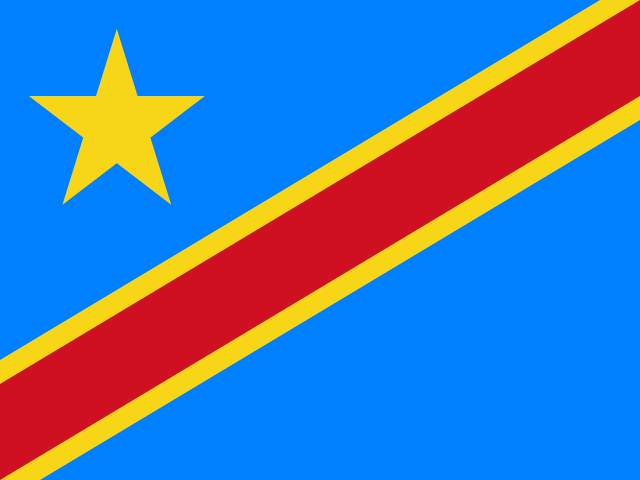 DR Congo
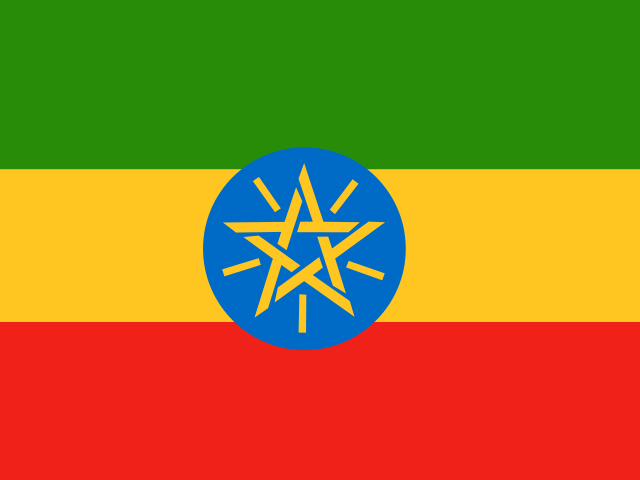 Ethiopia
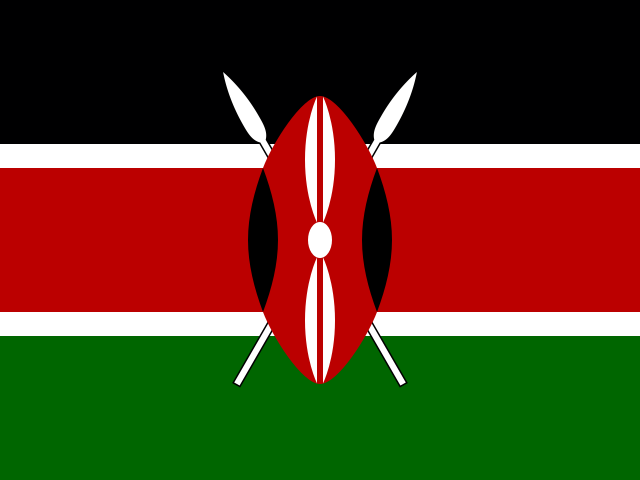 Kenya
Kenya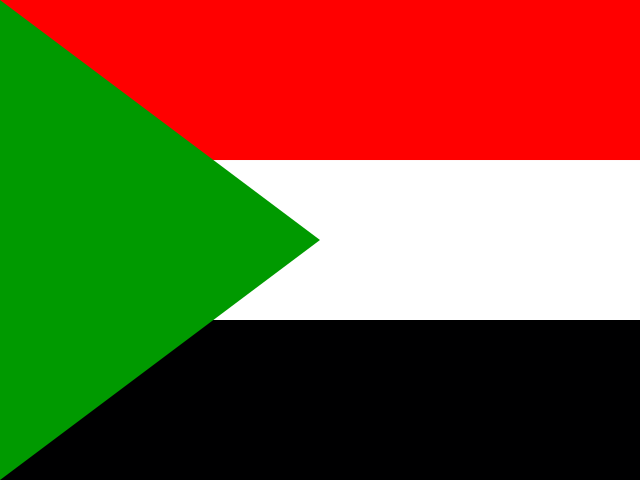 Sudan
Sudan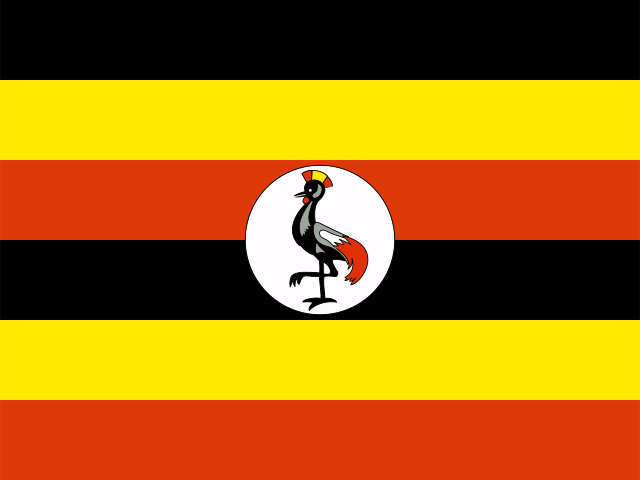 Uganda
Country facts
- South Sudan officially became an independent nation on July 9, 2011, following a referendum in which the overwhelming majority voted for secession from Sudan.
- The Sudd, a massive swamp formed by the White Nile, covers an area that can expand to over 100,000 square kilometers during the rainy season.
- South Sudan is home to over 60 distinct ethnic groups, with the Dinka and Nuer being the largest.
- The country has one of the largest wildlife migrations in the world, with millions of white-eared kob and tiang antelope moving across its plains each year.
- Arabic and English are both used in official contexts, though more than 60 indigenous languages are spoken across the country.
Capital facts
- Juba sits on the west bank of the White Nile in the southern part of the country.
- The city served as the capital of the former Equatoria region during British and Egyptian colonial administration.
- Juba hosted the negotiations and celebrations that accompanied South Sudan's independence declaration in 2011.
- The Juba Bridge, spanning the White Nile, is a key landmark and vital transport link for the city.
- Juba has grown rapidly since independence and serves as the country's main hub for trade, government, and international organizations.