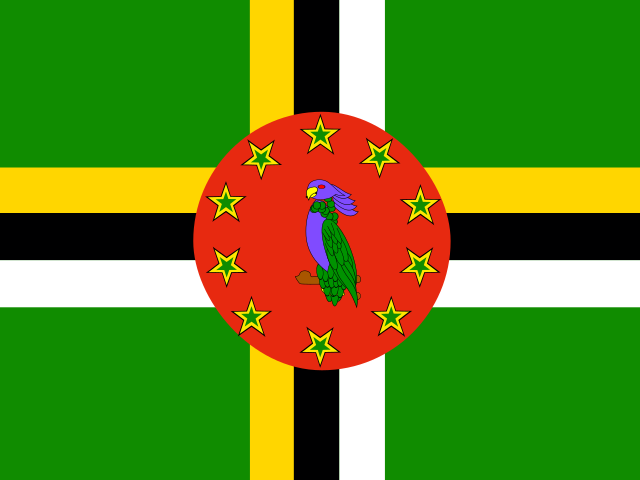
Dominica is a small island nation in the eastern Caribbean Sea, nestled between Guadeloupe to the north and Martinique to the south. Often called the 'Nature Isle of the Caribbean,' it is celebrated for its lush rainforests, volcanic peaks, and exceptional biodiversity. The island is home to the Boiling Lake, one of the largest naturally occurring boiling lakes in the world.
- Capital
- Roseau
- Continent
- Americas
- Region
- Caribbean
- Area
- 751 km²
- Coordinates
- 15° N, 61° W
- Languages
- English
- Currency
- XCD $
- Domain
- .dm
- Calling code
- +1767
On the world map
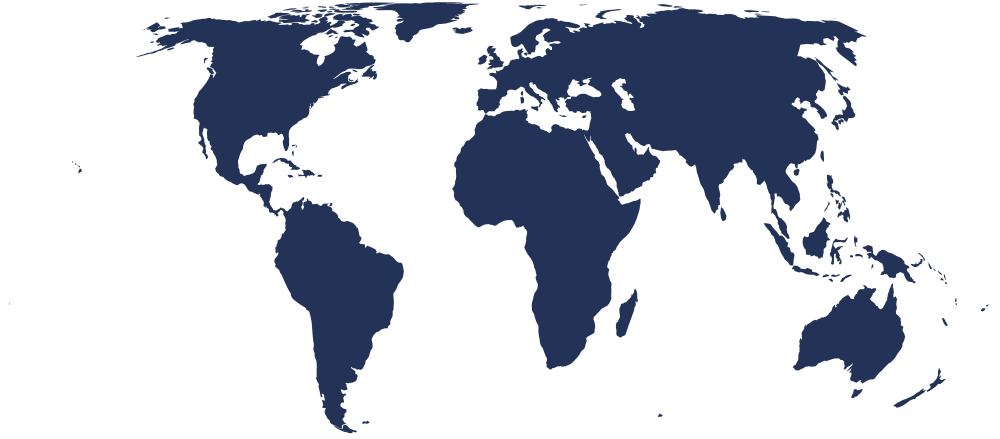
Bordering countries
No land borders — this is an island nation.
Country facts
- Dominica was the last Caribbean island to be colonized by Europeans, largely because its indigenous Kalinago people fiercely resisted outside settlement.
- The island is one of the few places in the Caribbean where a significant Kalinago community still lives today, inhabiting a dedicated territory on the northeast coast.
- Dominica has no major white-sand beach resorts, as its coastline is largely made up of dramatic volcanic rock and black sand.
- English is the official language, though many Dominicans also speak Antillean Creole, a French-based creole language reflecting the island's colonial history.
- The Sisserou parrot, a large and endangered bird found only on Dominica, is featured prominently on the national flag and coat of arms.
Capital facts
- Roseau is one of the smallest capital cities in the Western Hemisphere by population.
- The city sits at the mouth of the Roseau River on the southwestern coast of the island, giving it a picturesque setting between the sea and forested hills.
- The Old Market Plaza in Roseau was once a site of slave trading during the colonial era and is now a hub for crafts and cultural gatherings.
- Roseau's botanical garden, established in the late 19th century, contains a school bus crushed by a fallen tree during Hurricane David in 1979, preserved as a historical reminder.
- The city's architecture reflects a mix of French and British colonial influences, seen in its wooden creole-style buildings and stone structures.