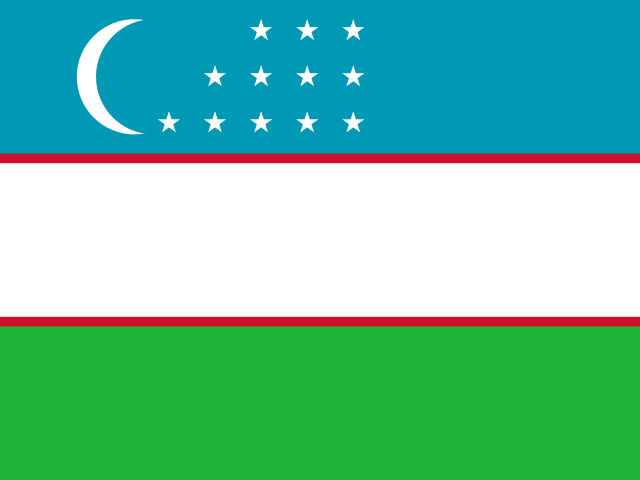
Uzbekistan is a doubly landlocked country in Central Asia, bordered by Kazakhstan, Kyrgyzstan, Tajikistan, Afghanistan, and Turkmenistan. It is famous for its stunning Silk Road cities, including Samarkand and Bukhara, which were major centers of trade and Islamic scholarship for centuries. The country is one of only two doubly landlocked nations in the world, meaning it is surrounded entirely by other landlocked countries.
- Capital
- Tashkent
- Continent
- Asia
- Region
- Central Asia
- Area
- 447,400 km²
- Coordinates
- 41° N, 64° E
- Languages
- Russian, Uzbek
- Currency
- UZS so'm
- Domain
- .uz
- Calling code
- +998
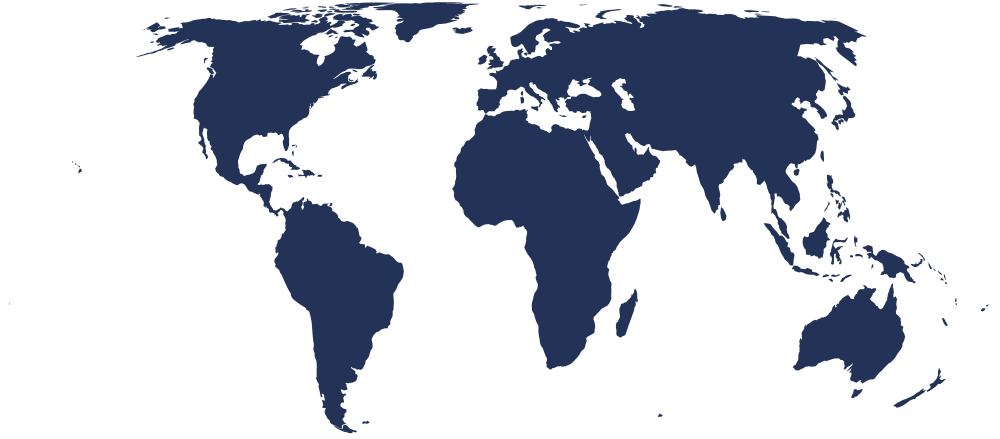
On the world map
Bordering countries
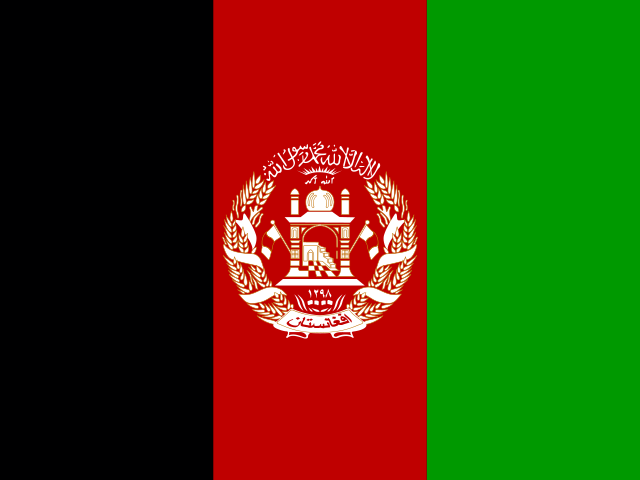 Afghanistan
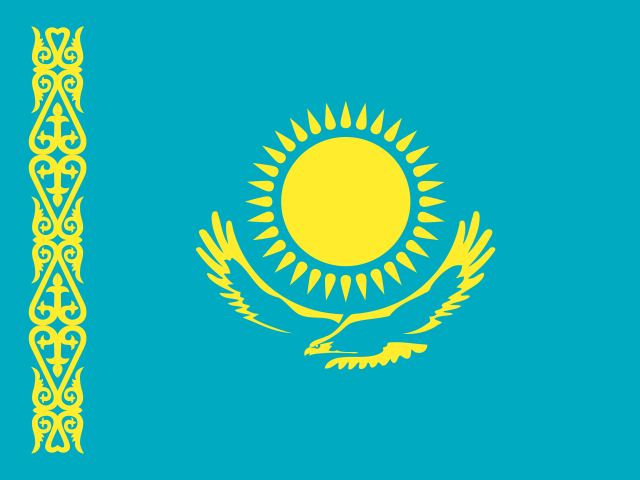 Kazakhstan
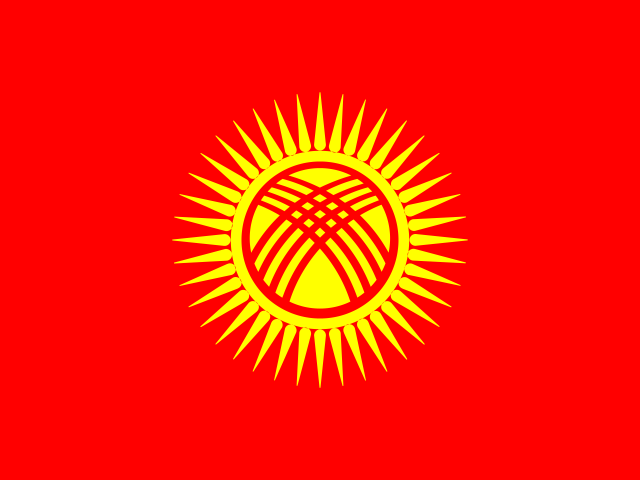 Kyrgyzstan
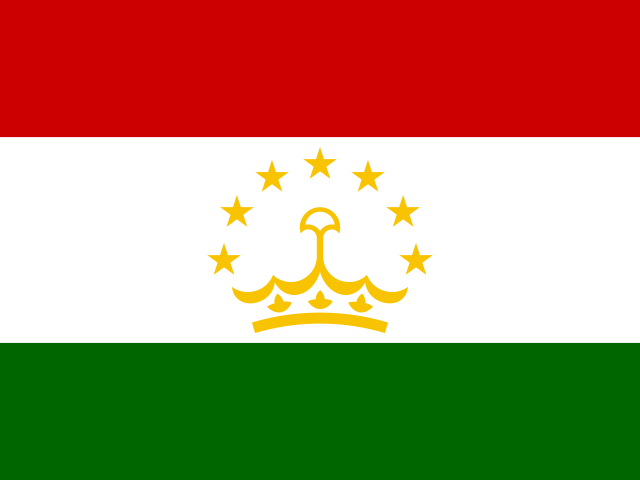 Tajikistan
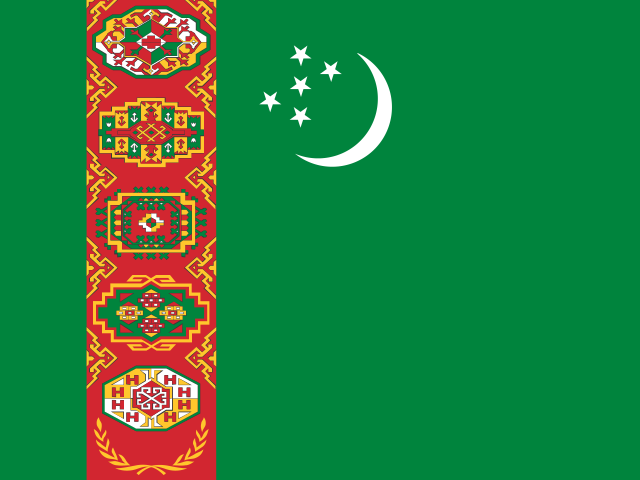 Turkmenistan
Country facts
- Uzbek is the official language and belongs to the Turkic language family.
- The Aral Sea, once one of the world's largest lakes, has dramatically shrunk due to Soviet-era irrigation projects that diverted its feeder rivers.
- Uzbekistan is one of the world's leading producers of cotton, a crop that has shaped much of its economy and landscape.
- The Registan in Samarkand, a plaza flanked by three ornate madrassas, is considered one of the most beautiful public squares in the Islamic world.
- Uzbekistan declared independence from the Soviet Union on September 1, 1991, which is now celebrated as Independence Day.
Capital facts
- Tashkent is the largest city in Central Asia and serves as Uzbekistan's political, cultural, and economic hub.
- A devastating earthquake in 1966 destroyed much of the old city, leading to a large-scale Soviet-era reconstruction.
- The city's metro system, opened in 1977, is known for its elaborately decorated stations featuring mosaics and chandeliers.
- Tashkent's name is thought to derive from Turkic words meaning 'stone city.'
- The Khast Imam complex in Tashkent houses one of the oldest surviving Qurans in the world, believed to date from the 7th century.