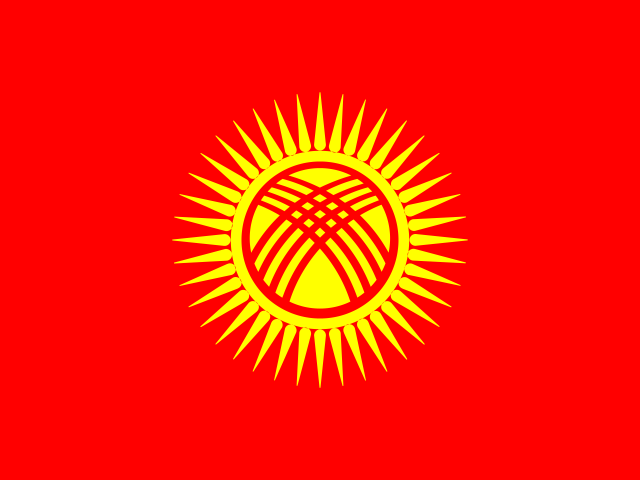
Kyrgyzstan is a landlocked mountainous country in Central Asia, bordered by Kazakhstan, China, Tajikistan, and Uzbekistan. It is known for its dramatic Tian Shan mountain ranges, nomadic heritage, and vast alpine lakes. The country retains a strong tradition of horsemanship and nomadic culture that shapes its national identity.
- Capital
- Bishkek
- Continent
- Asia
- Region
- Central Asia
- Area
- 199,951 km²
- Coordinates
- 41° N, 75° E
- Languages
- Kyrgyz, Russian
- Currency
- KGS с
- Domain
- .kg
- Calling code
- +996
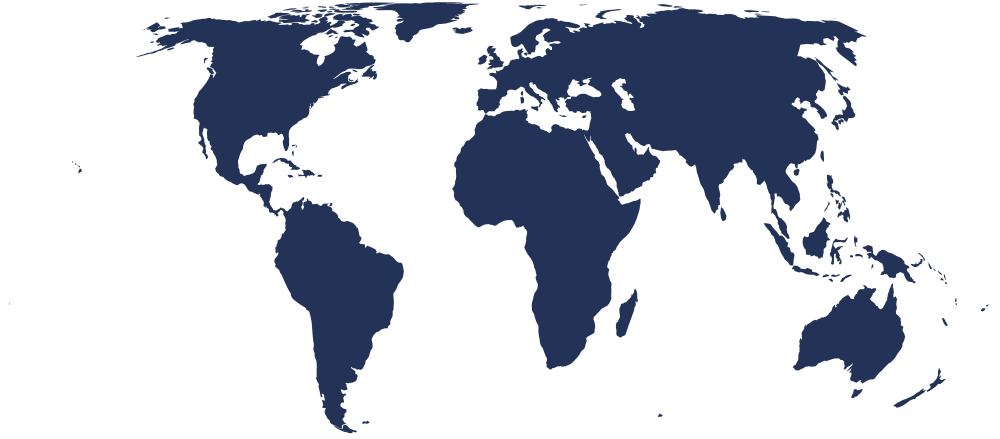
On the world map
Bordering countries
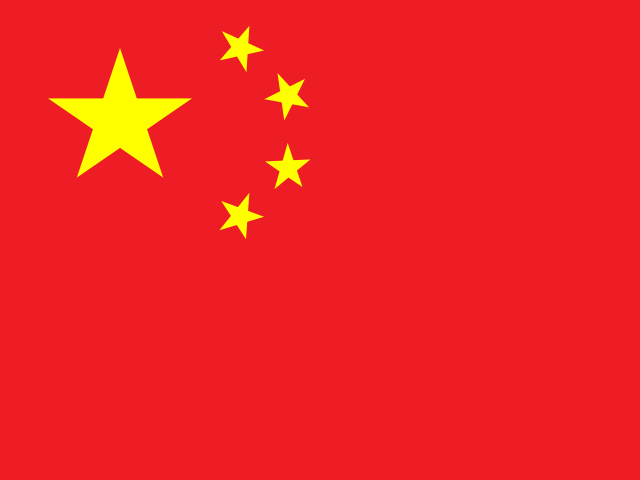 China
China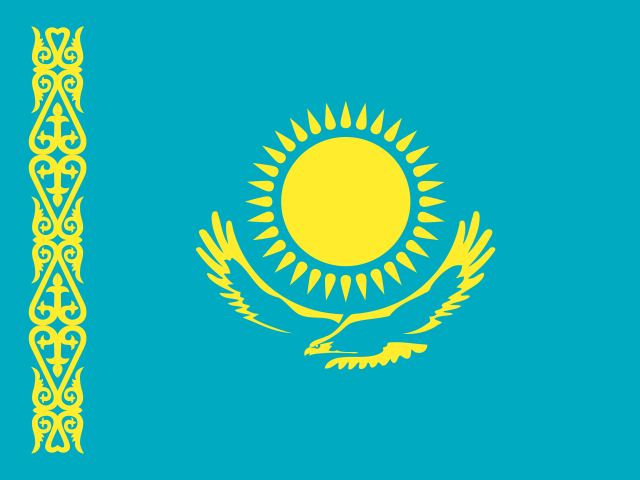 Kazakhstan
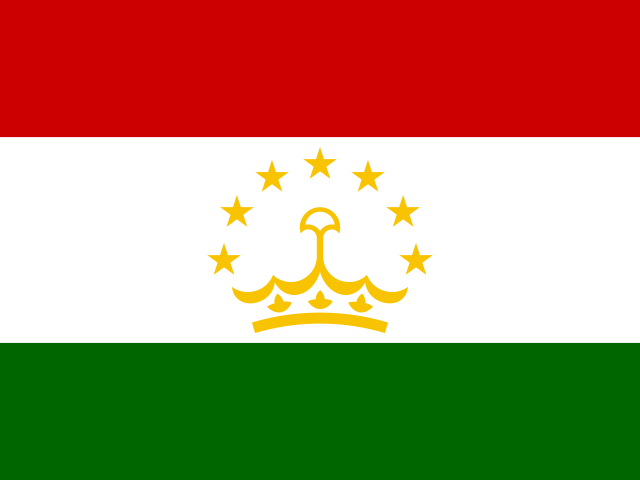 Tajikistan
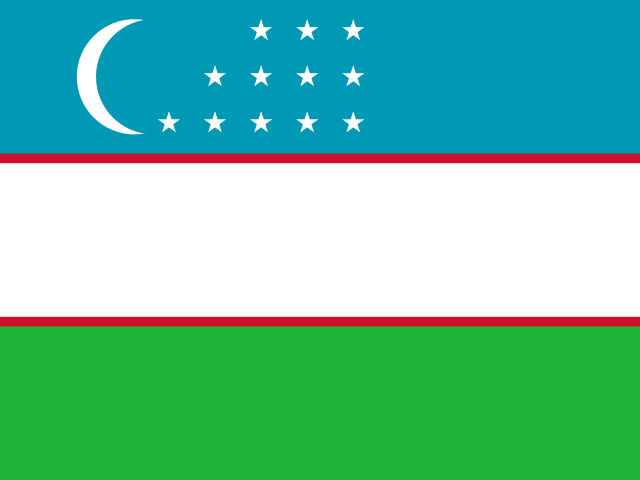 Uzbekistan
Country facts
- The Kyrgyz epic poem 'Manas' is one of the longest oral epic poems in the world and remains a cornerstone of national culture.
- Lake Issyk-Kul, located in eastern Kyrgyzstan, is one of the largest alpine lakes in the world and never fully freezes despite cold winters.
- Kyrgyzstan declared independence from the Soviet Union in 1991.
- The traditional Kyrgyz felt tent, called a yurt, is featured prominently on the country's flag as a symbol of nomadic heritage.
- Kyrgyz belongs to the Turkic language family and is one of the two official languages alongside Russian.
Capital facts
- Bishkek sits in the Chuy Valley at the foot of the Kysky-Ata mountains at an elevation of about 800 meters above sea level.
- The city was known as Frunze during the Soviet era, named after the Bolshevik military leader Mikhail Frunze who was born there.
- Ala-Too Square is the central public square of Bishkek and serves as the site of major national celebrations and events.
- Bishkek is known for its wide, tree-lined boulevards, a layout inherited from Soviet urban planning.
- The State History Museum on Ala-Too Square houses extensive collections covering Kyrgyz history from ancient times through the modern era.