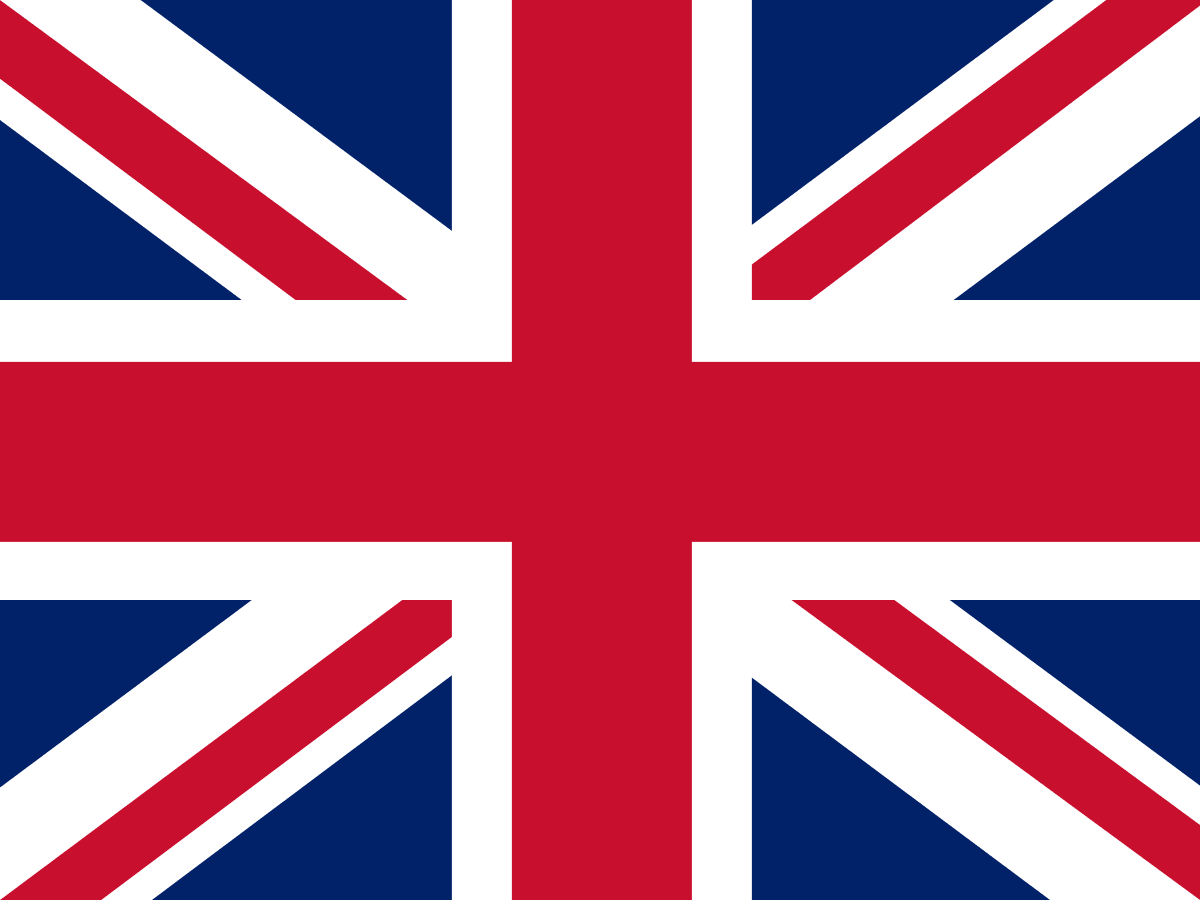
The United Kingdom is an island nation in northwestern Europe, made up of England, Scotland, Wales, and Northern Ireland. It is known for its rich history, iconic monarchy, and contributions to literature, science, and popular music. The country's diverse landscapes range from Scottish Highlands to the rolling hills of the English countryside.
- Capital
- London
- Continent
- Europe
- Region
- Northern Europe
- Population
- 69,487,000 (UN estimate, 2025)
- Area
- 242,900 km²
- Population density
- 286 people per km²
- Time zone
- UTC+0, daylight saving UTC+1
- Highest point
- Ben Nevis, 1345 m
- Coordinates
- 54° N, 2° W
- Languages
- English
- Currency
- GBP £
- Domain
- .uk
- Calling code
- +44
On the world map
Bordering countries
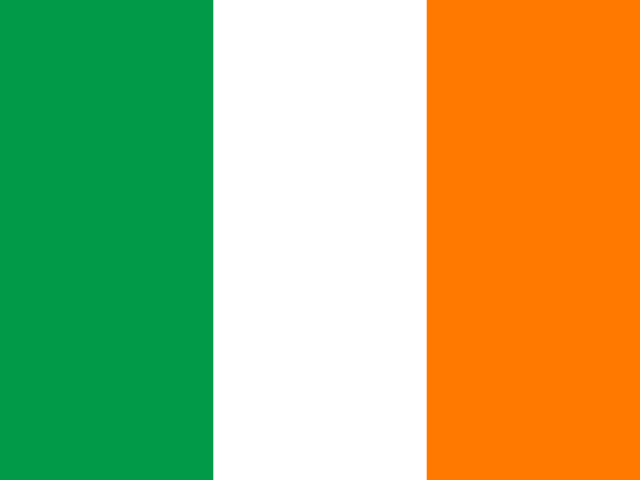 Ireland
Country facts
- The UK was the birthplace of the Industrial Revolution in the 18th century, transforming manufacturing and global trade.
- English, the most widely spoken language in the world, originated in England and spread through centuries of exploration and empire.
- The national animal of Scotland is the unicorn, which has been part of Scottish heraldry since the 12th century.
- The UK has a constitutional monarchy, meaning the monarch is head of state while Parliament holds political power.
- The BBC, founded in 1922, was the world's first national broadcasting organisation and remains one of the most respected media outlets globally.
- Stonehenge, a stone circle more than 4,500 years old, is a UNESCO World Heritage Site.
- The Union Jack combines the crosses of the patron saints of England, Scotland and Ireland.
- William Shakespeare was born in Stratford-upon-Avon in 1564.
- The modern rules of football were first written down here in 1863, when the Football Association was founded.
- The English Channel separates the main island from continental Europe.
Capital facts
- London was founded by the Romans around 43 AD and was originally called Londinium.
- The Tower of London, built by William the Conqueror in 1078, has served as a royal palace, prison, and treasury over the centuries.
- The London Underground, opened in 1863, is one of the oldest metro systems in the world.
- Trafalgar Square commemorates the 1805 Battle of Trafalgar, at which Admiral Horatio Nelson defeated Napoleon's fleet.
- London's Heathrow Airport is one of the busiest international airports in the world, connecting the city to destinations across the globe.
- The prime meridian runs through the Royal Observatory in the city’s Greenwich district.
- A museum founded here in 1753 still offers free entry to its permanent collection.
- Tower Bridge, opened in 1894, can lift its roadway to let ships pass.
- The Great Fire of 1666 destroyed most of the medieval city.
- Big Ben is actually the name of the great bell in the clock tower of the Palace of Westminster.
Questions and answers
What is the capital of the United Kingdom?
The capital of the United Kingdom is London.
Which part of the world is the United Kingdom in?
Part of the world: Europe; region: Northern Europe.
What is the official language of the United Kingdom?
Official language: English.
What currency does the United Kingdom use?
Currency: GBP £.
Which countries border the United Kingdom?
Land neighbours: Ireland.
How big is the United Kingdom?
The United Kingdom covers 242,900 km².
What is the population of the United Kingdom?
Population: 69,487,000 (UN estimate, 2025).
What time zone is the United Kingdom in?
UTC+0, daylight saving UTC+1.
What is the highest point in the United Kingdom?
Ben Nevis, 1345 m.
What is the calling code and internet domain of the United Kingdom?
Calling code +44, internet domain .uk.
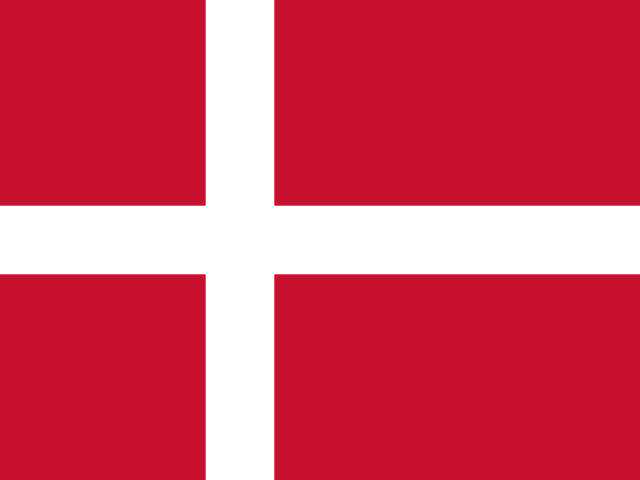 Denmark
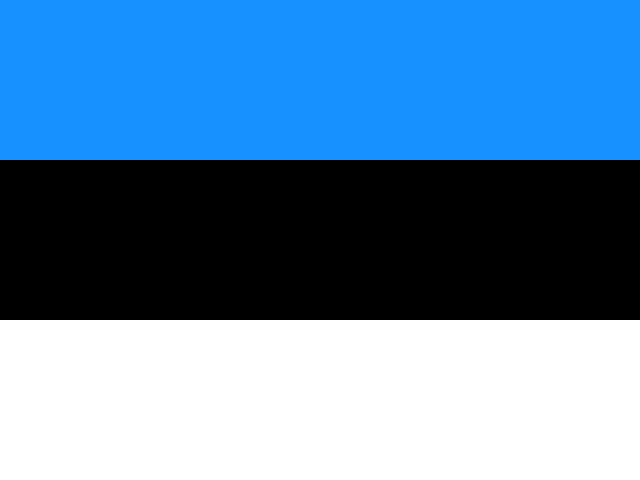 Estonia
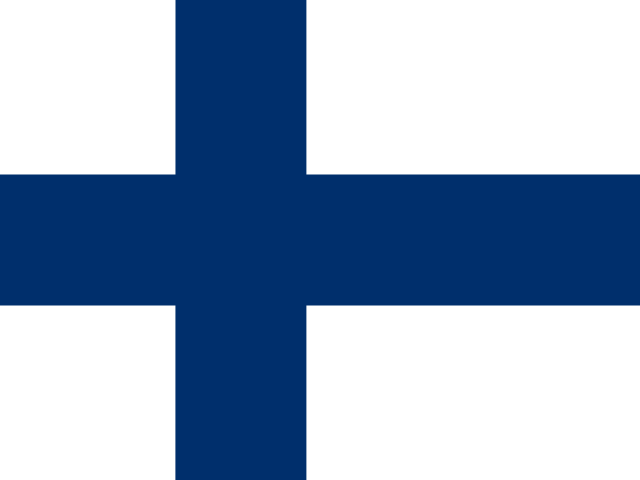 Finland
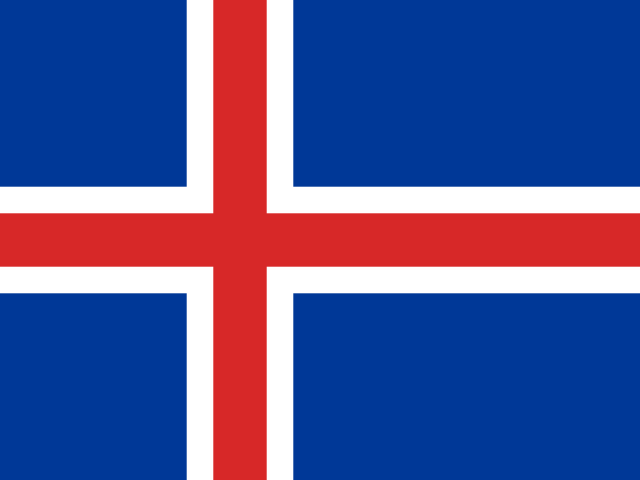 Iceland
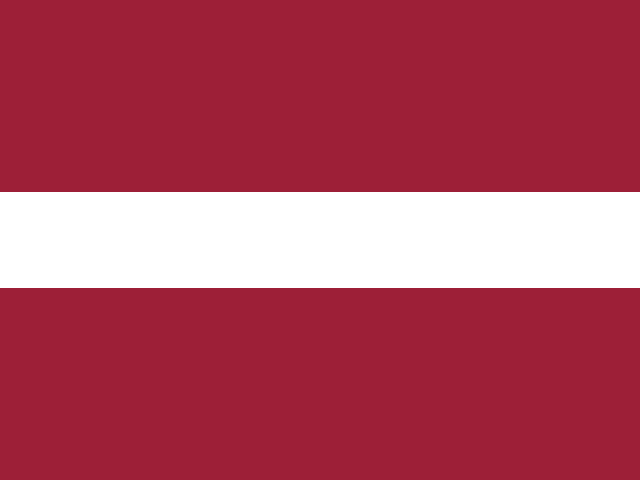 Latvia
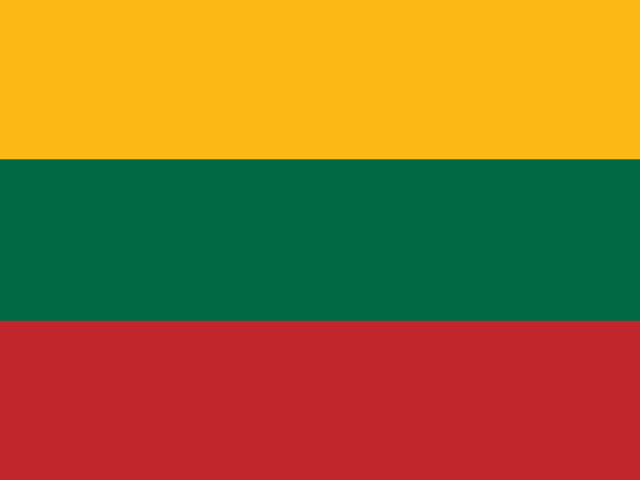 Lithuania
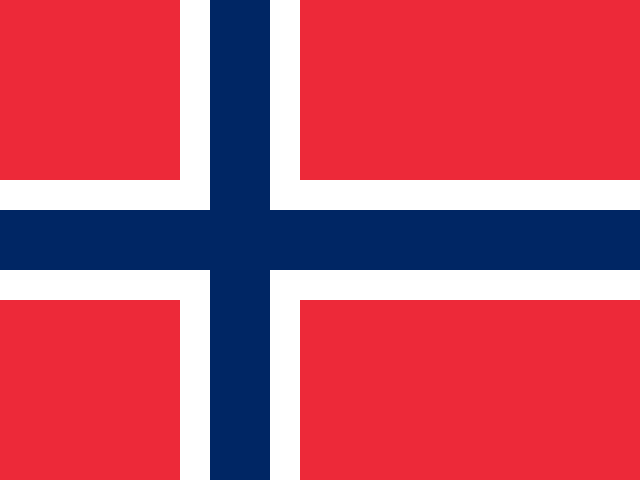 Norway
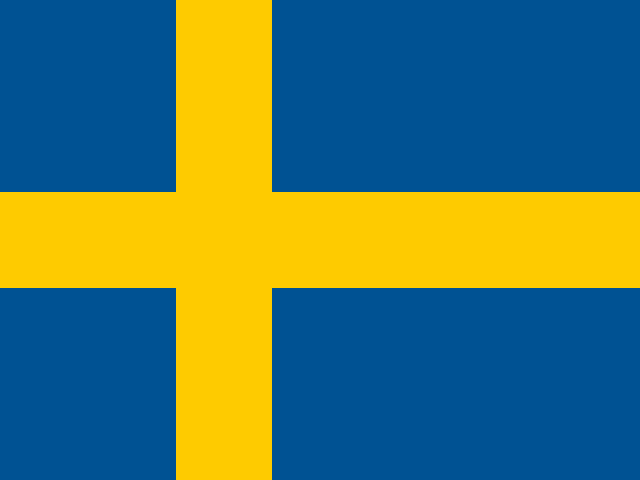 Sweden