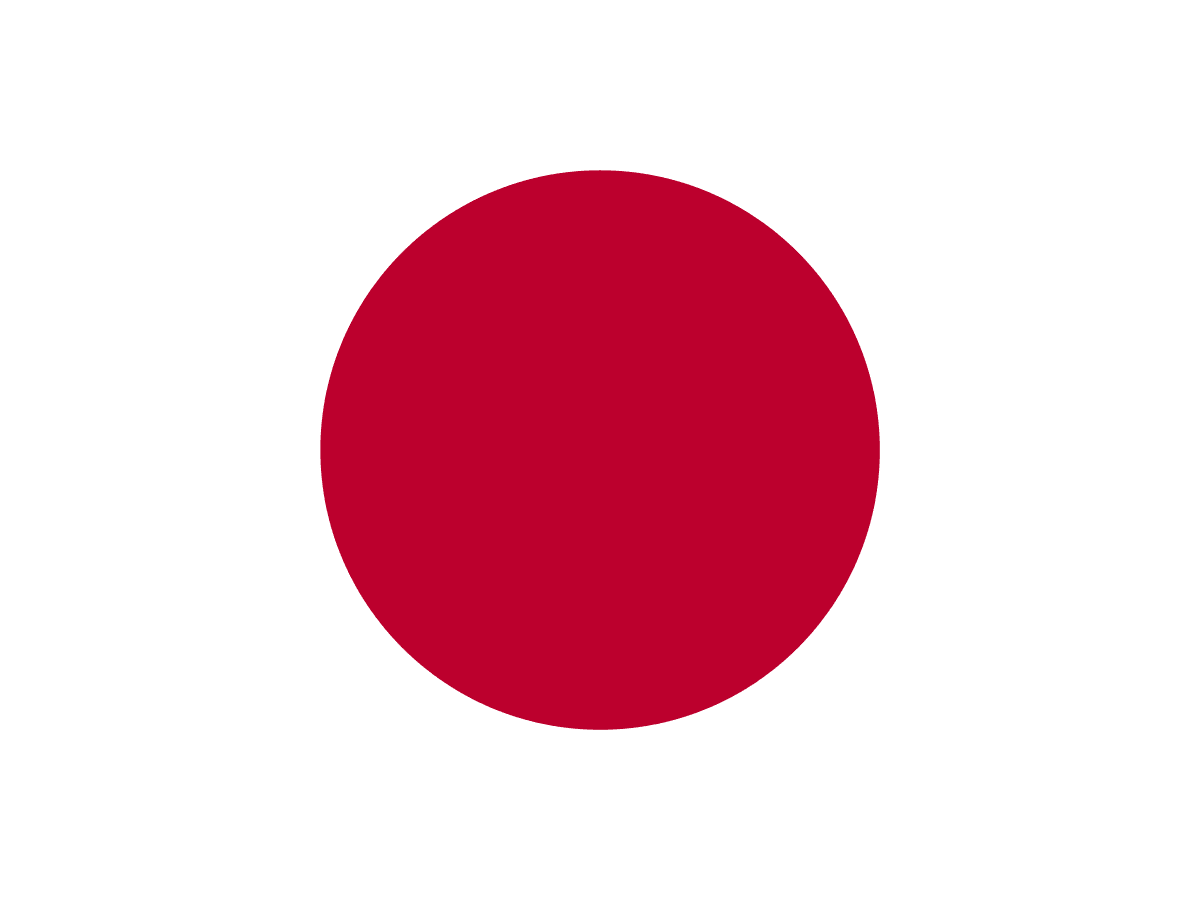
Japan is an island nation in East Asia, situated in the Pacific Ocean off the eastern coast of the Asian mainland. It is known for its rich blend of ancient traditions and cutting-edge technology, from centuries-old temples to bullet trains. The country consists of four main islands — Honshu, Hokkaido, Kyushu, and Shikoku — along with thousands of smaller ones.
- Capital
- Tokyo
- Continent
- Asia
- Region
- Eastern Asia
- Population
- 123,366,734 (UN estimate, 2025)
- Area
- 377,930 km²
- Population density
- 326 people per km²
- Time zone
- UTC+9
- Highest point
- Mount Fuji, 3777 m
- Coordinates
- 36° N, 138° E
- Languages
- Japanese
- Currency
- JPY ¥
- Domain
- .jp .みんな
- Calling code
- +81
On the world map
Bordering countries
No land borders — this is an island nation.
Country facts
- Japan has the world's oldest continuous monarchy, with the imperial family tracing its lineage back over 1,500 years.
- The Japanese writing system uses three scripts — hiragana, katakana, and kanji — often combined in a single sentence.
- Mount Fuji, Japan's highest peak at 3,776 metres, is an active stratovolcano and a UNESCO World Heritage site.
- Japan experiences around 1,500 earthquakes each year due to its location on the Pacific Ring of Fire.
- The traditional art of origami, the folding of paper into decorative shapes, originated in Japan and remains widely practiced today.
- In spring people gather to admire the cherry blossom, a custom called hanami.
- Sumo is a traditional form of wrestling with centuries of history.
- The old temples of Kyoto, the former imperial capital, are a UNESCO World Heritage Site.
- Shinkansen bullet trains, first launched in 1964, are known for speed and punctuality.
- It is often called the Land of the Rising Sun.
Capital facts
- Tokyo was originally a small fishing village called Edo before it became Japan's political center in the 17th century.
- The city officially became the imperial capital in 1869, when Emperor Meiji relocated the court there from Kyoto.
- Tokyo's Shibuya Crossing is one of the busiest pedestrian intersections in the world, with thousands of people crossing at once.
- The Tokyo Skytree, standing at 634 metres, is a broadcasting tower and one of the tallest structures in the world.
- Tokyo's extensive metro network is renowned for its punctuality, carrying millions of passengers efficiently every day.
- The Imperial Palace stands at the heart of the city, on the site of old Edo Castle.
- Senso-ji in the Asakusa district is the city’s oldest temple.
- The Akihabara district is famous for electronics, anime and manga shops.
- The Yamanote loop line links the city’s main districts.
- The city hosted the Summer Olympics in 1964 and 2020.
Questions and answers
What is the capital of Japan?
The capital of Japan is Tokyo.
Which part of the world is Japan in?
Part of the world: Asia; region: Eastern Asia.
What is the official language of Japan?
Official language: Japanese.
What currency does Japan use?
Currency: JPY ¥.
Which countries border Japan?
No land borders — this is an island nation.
How big is Japan?
Japan covers 377,930 km².
What is the population of Japan?
Population: 123,366,734 (UN estimate, 2025).
What time zone is Japan in?
UTC+9.
What is the highest point in Japan?
Mount Fuji, 3777 m.
What is the calling code and internet domain of Japan?
Calling code +81, internet domain .jp .みんな.
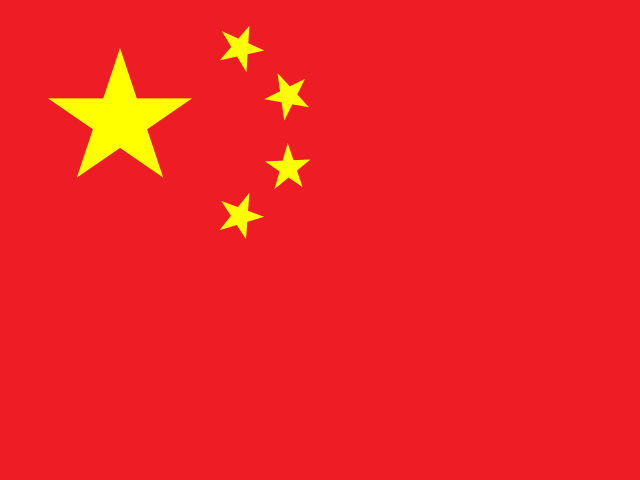 China
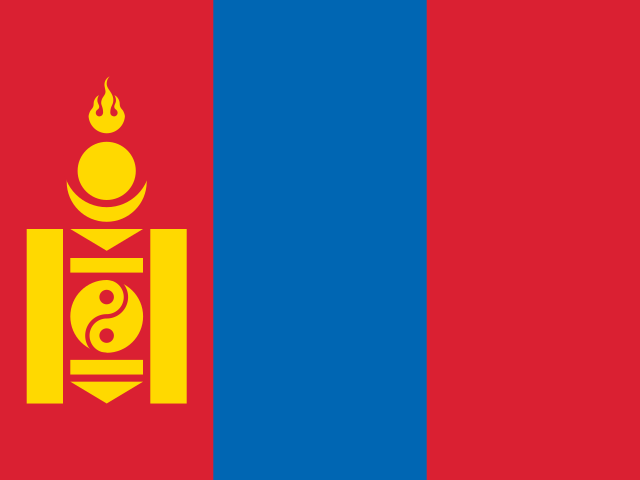 Mongolia
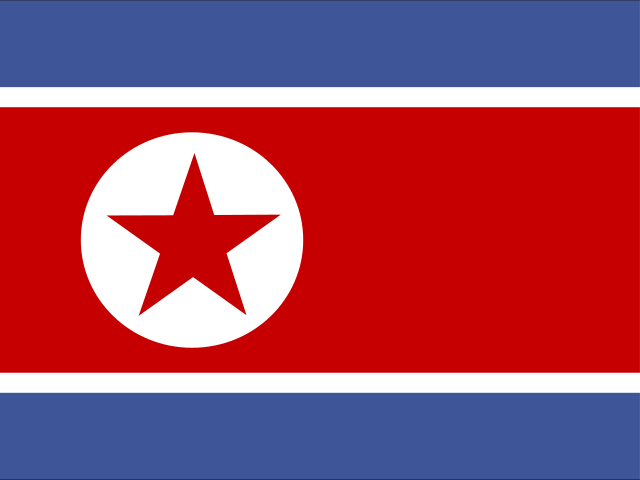 North Korea
 South Korea