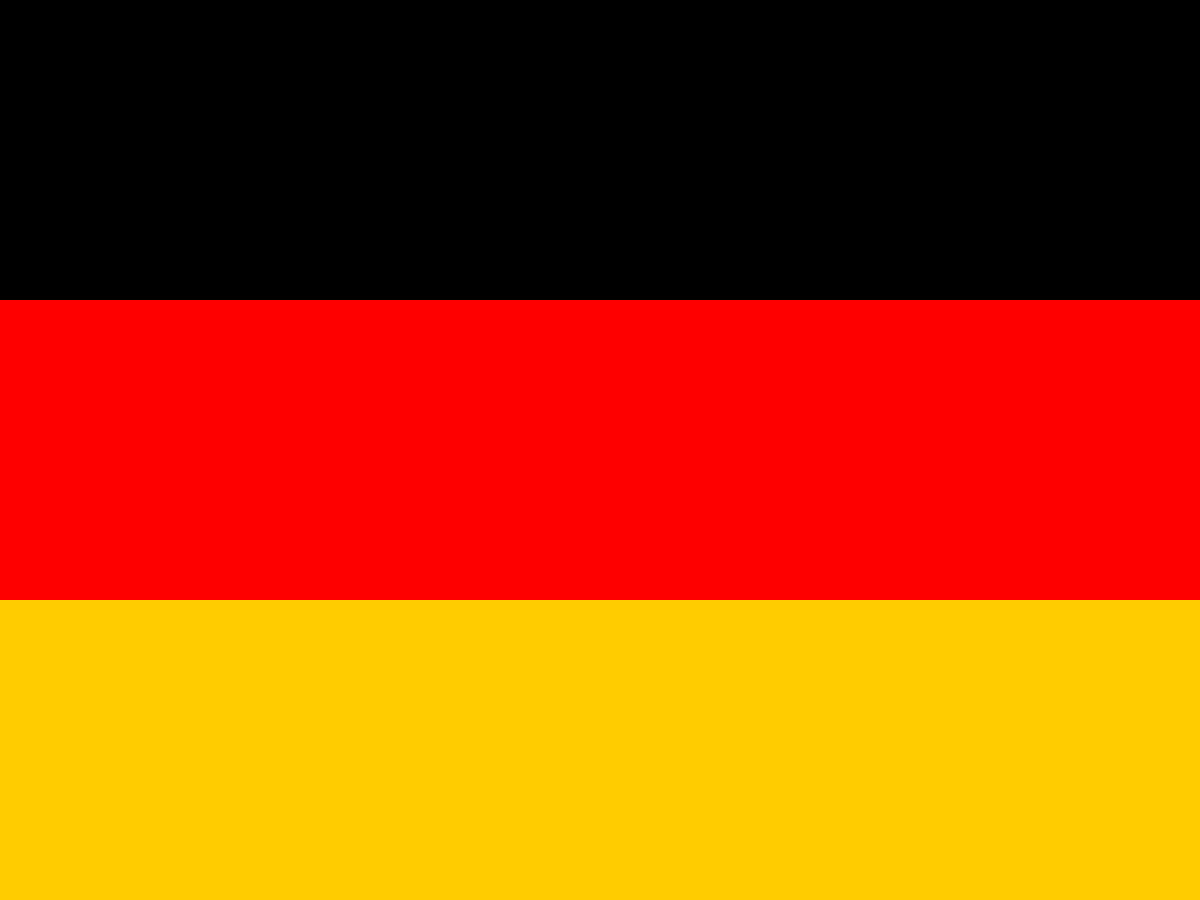
Germany is a large country in the heart of Central Europe, bordered by nine nations including France, Poland, and the Netherlands. It is known for its rich history, engineering excellence, and cultural contributions ranging from classical music to philosophy. The country features diverse landscapes, from the North Sea coast and the Rhine Valley to the Bavarian Alps in the south.
- Capital
- Berlin
- Continent
- Europe
- Region
- Western Europe
- Population
- 83,491,249 (UN estimate, 2025)
- Area
- 357,114 km²
- Population density
- 234 people per km²
- Time zone
- UTC+1, daylight saving UTC+2
- Highest point
- Zugspitze, 2962 m
- Coordinates
- 51° N, 9° E
- Languages
- German
- Currency
- EUR €
- Domain
- .de
- Calling code
- +49
On the world map
Bordering countries
 Austria
 Belgium
 Czechia
 Denmark
 France
 Luxembourg
 Netherlands
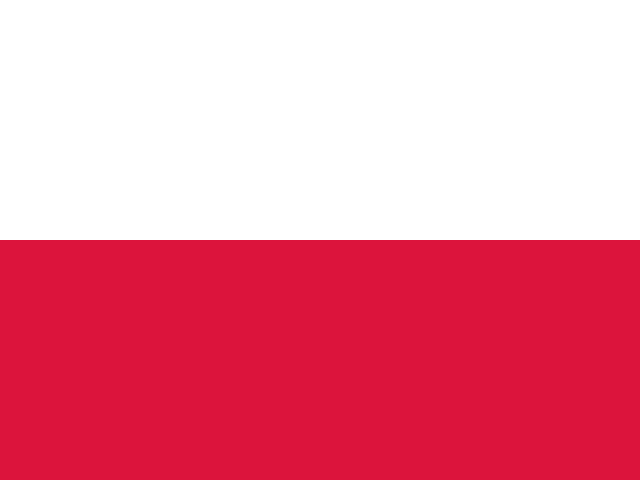 Poland
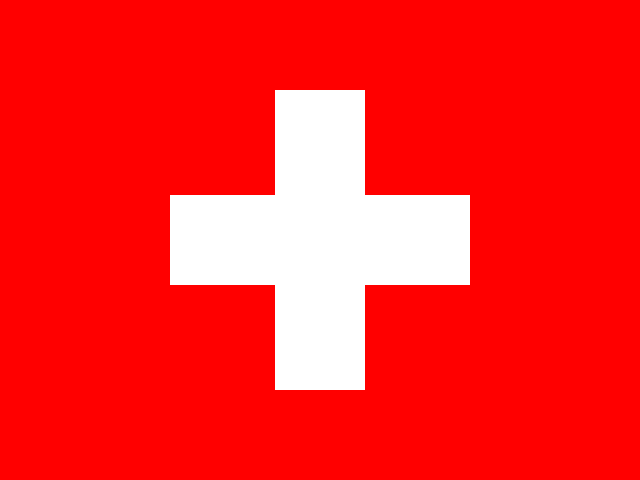 Switzerland
Country facts
- Germany is the birthplace of the printing press, invented by Johannes Gutenberg around 1440.
- The country has over 1,500 different types of beer brewed within its borders.
- Germany reunified on October 3, 1990, after decades of division into East and West Germany.
- The Black Forest in southwestern Germany inspired the fairy tales collected by the Brothers Grimm.
- German is the most widely spoken native language in the European Union.
- Carl Benz patented his petrol-powered motor car in Mannheim in 1886.
- Neuschwanstein Castle in the Bavarian Alps was built for King Ludwig II.
- It is made up of 16 federal states.
- Bach, Beethoven and Brahms were all born here.
- The Oktoberfest beer festival began in Munich in 1810.
Capital facts
- Berlin was officially founded in the 13th century and became the capital of a unified Germany in 1871.
- The Brandenburg Gate, built in the 18th century, is one of Berlin's most iconic landmarks and a symbol of German unity.
- Berlin's Museum Island, a UNESCO World Heritage Site, hosts five world-renowned museums on a small island in the River Spree.
- The Berlin Wall, which divided the city from 1961 to 1989, is commemorated today by a preserved stretch called the East Side Gallery.
- Berlin has one of the largest public transport networks in Europe, combining U-Bahn, S-Bahn, trams, and buses.
- The television tower at Alexanderplatz, at 368 metres, is the tallest structure in the country.
- The Reichstag building is topped by a glass dome that is open to visitors.
- The city stands on the rivers Spree and Havel.
- A bear is the city’s symbol, and winners of its international film festival receive a Golden Bear.
- It became the capital of the reunified country in 1990.
Questions and answers
What is the capital of Germany?
The capital of Germany is Berlin.
Which part of the world is Germany in?
Part of the world: Europe; region: Western Europe.
What is the official language of Germany?
Official language: German.
What currency does Germany use?
Currency: EUR €.
Which countries border Germany?
Land neighbours: Austria, Belgium, Czechia, Denmark, France, Luxembourg, Netherlands, Poland, Switzerland.
How big is Germany?
Germany covers 357,114 km².
What is the population of Germany?
Population: 83,491,249 (UN estimate, 2025).
What time zone is Germany in?
UTC+1, daylight saving UTC+2.
What is the highest point in Germany?
Zugspitze, 2962 m.
What is the calling code and internet domain of Germany?
Calling code +49, internet domain .de.
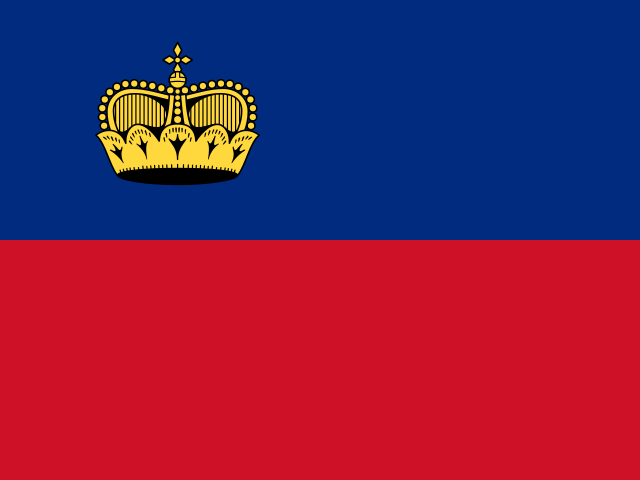 Liechtenstein
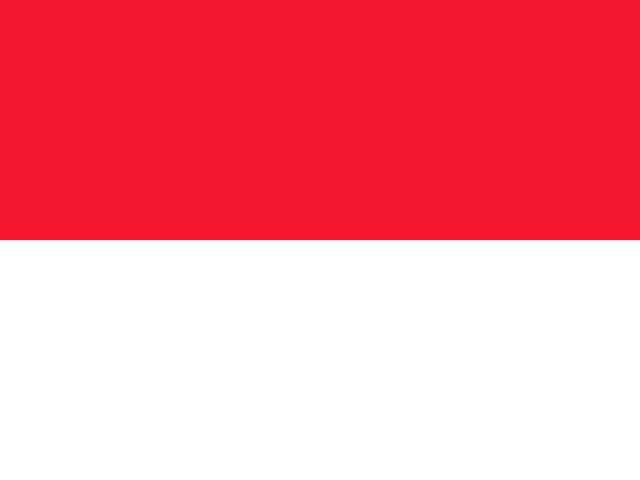 Monaco